“There is nothing new in the world except the history you do not know.”
Harry Truman
Learning History from Braidwood Area Folks
One of the benefits of being semi-retired is that I have time to talk with former Braidwood residents and to conduct some research on my native town’s history. Having the opportunity to communicate with historians Dick Joyce, Sandy Vasko, and Tim Pinnick provided me with insights and facts that I could never have discovered on my own.
Equally important have been my informal meetings at the Braidwood Area Historical Museum and website with Dee deGroh and George Kocek along with visits with Evelyn Kalec, Elena Hibler, and Karen Anderson Baker. Each meeting gave me the inspiration to learn even more about this unique little town we call Braidwood.
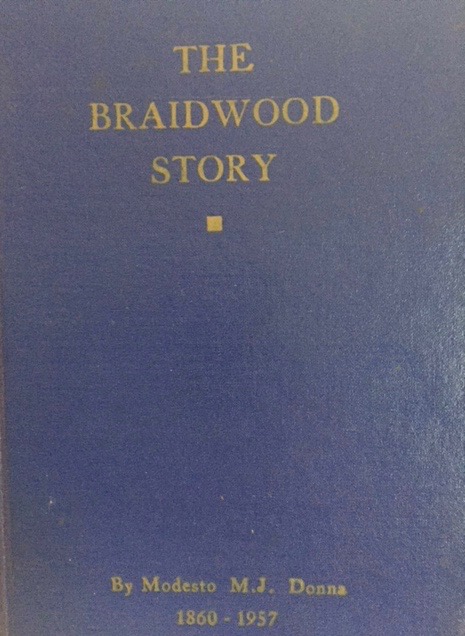
As a lifetime eclectic reader of fiction and non-fiction, I routinely run across references to Braidwood and its local, regional, and national significance. Although I was born and raised in Braidwood, I had not been aware of its significance in American labor history until I was in graduate school when my reading list included a book by Robert V. Bruce titled “1877: Year of Violence.” My previous historical perspective was from a much more local resource, “The Braidwood Story” by M.J. Donna. (An excellent resource for basic Braidwood history.)

The 1870’s gave rise to great corporations that led to the demise of craft unions and the demotion of human labor. Labor unions were born to protect the workers, and that created a firewall between owners and the labor force that ultimately ended in strikes and violence. Historian Bruce says, “One of the ugliest and most tragic struggles…was the miners’ strike at Braidwood, Illinois.”
Reading this book gave me pause to reflect on a perilous time in our town’s history.
John Mitchell & Teddy Roosevelt
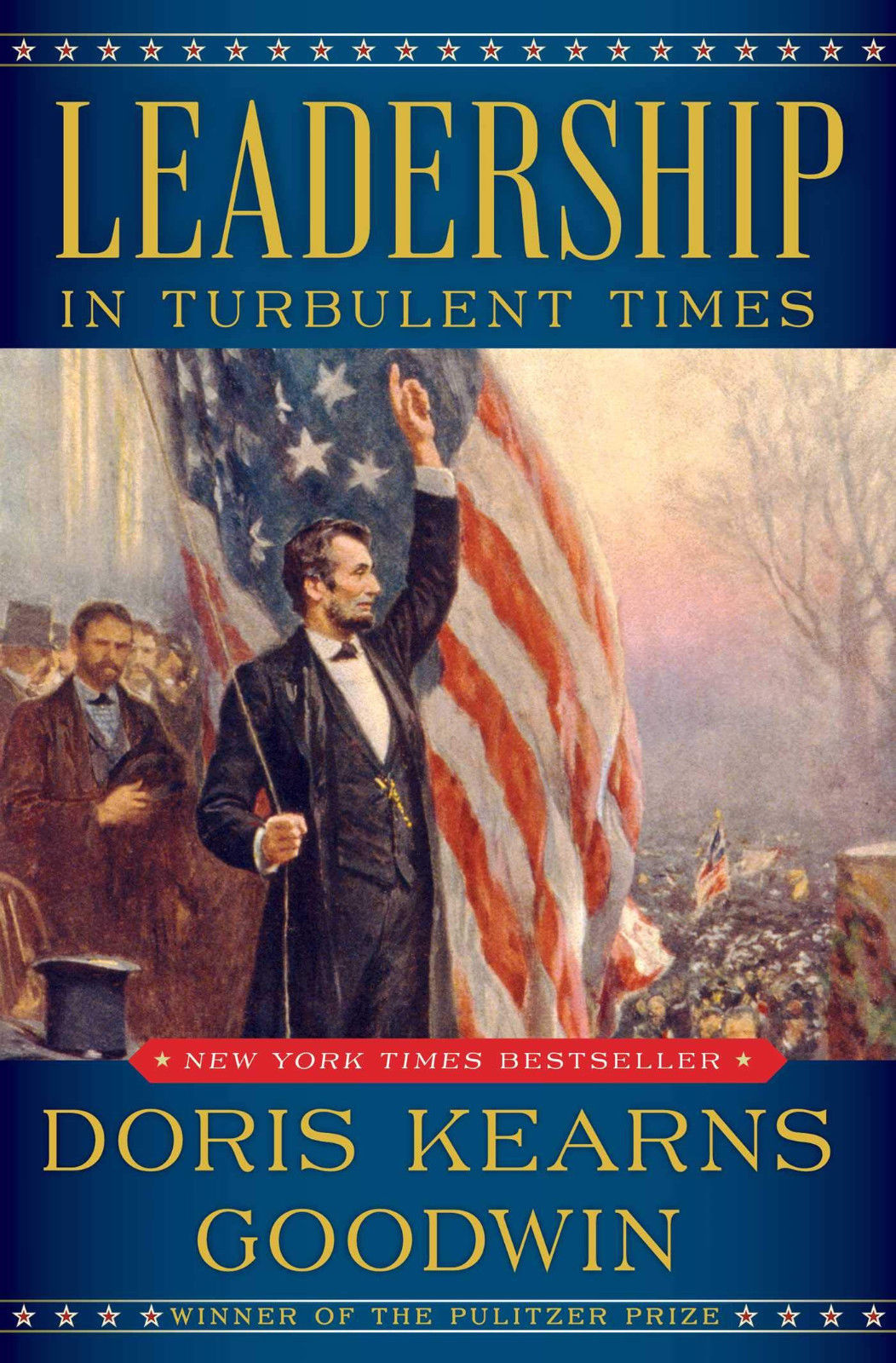
Much more recently, I read “Leadership in Turbulent Times” by acclaimed historian Doris Kearns Goodwin. Goodwin spends considerable time describing how President Teddy Roosevelt collaborated with Mine Workers Union president John Mitchell to mediate some of the worst coal strikes in our history. She describes Mitchell as “a charismatic, conservative, articulate young leader who had worked in the mines before becoming a union official…”
Who was this John Mitchell? He was a man from Braidwood who worked in the mines as a youngster and was now a national union leader in the early 1900’s.
Anton Cermak & Franklin Roosevelt
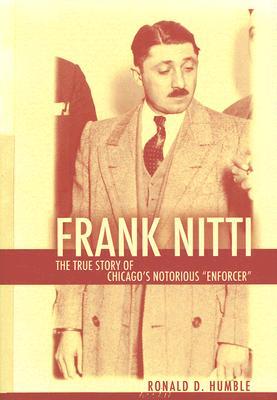
Another major figure from our town was Anton Cermak. Cermak was mayor of Chicago from 1931 until he was killed by an assassin in Miami, Florida in 1933. At the time of his murder, Cermak was meeting with President-elect Franklin Roosevelt. Born in Bohemia, Cermak and his family moved to Braidwood where he followed his father as a mine worker. Later, he moved to Chicago. At least one historian, Ronald Humble, in his book, “Frank Nitti: The True Story of Chicago’s Notorious Enforcer,” alleges that Cermak was killed by the Capone Mafia and was, actually, the intended target of the assassination.
Braidwood and American History
So, the mine strike in 1877, which witnessed the importation of hundreds of African American workers and produced two national leaders, established Braidwood as a noteworthy contributor to American history.Braidwood
It would be interesting to know if anyone else might know of other notable facts about our home town. In the meantime, I will continue to learn as much as possible about one of the most unique towns in Illinois.

 Braidwood Beginnings
Love it! George Kocek
LikeLike
Very exciting
LikeLike