“The best teacher is not the one who knows most but the one who is most capable of reducing knowledge to that simple compound of the obvious and wonderful.”
― H.L. Mencken
(I encourage you to click on the video of Coach at the end of the blog.)
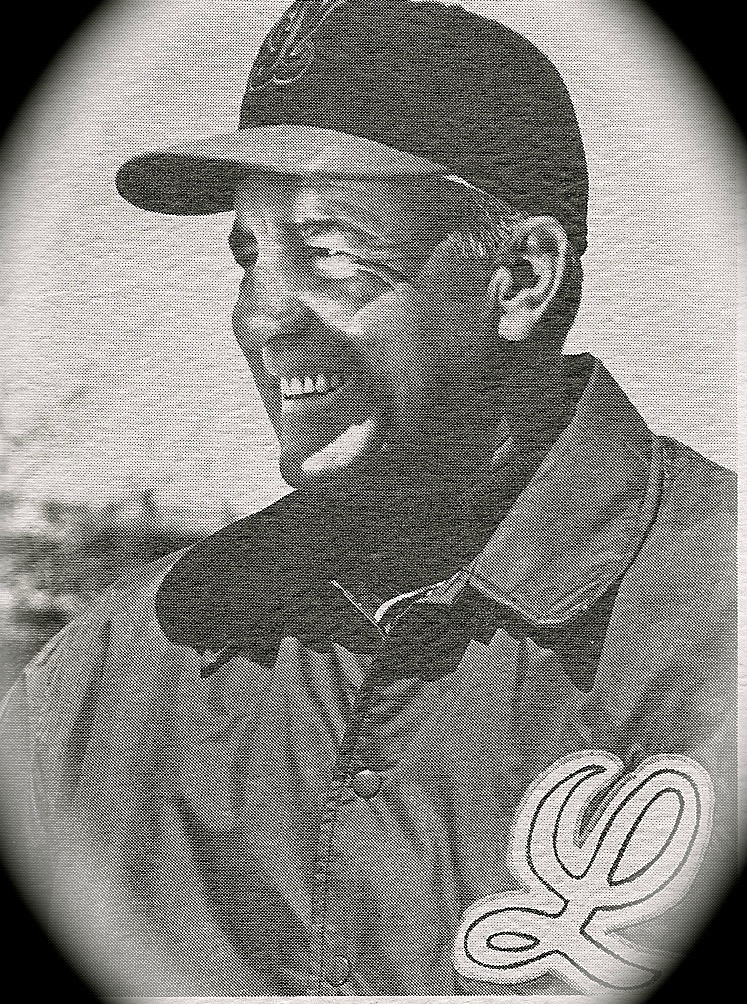
I had the great fortune of playing for, and coaching with, the finest coach, teacher, and mentor anyone could ever have. Literally thousands of other young men and women from the greater Chicago/Joliet area who knew the late, great Gordie Gillespie would enthusiastically agree with my assessment.
For four years, Coach Gillespie was my basketball and baseball coach at Lewis University (College). A few years later, I became his assistant baseball coach and worked with him in other capacities at Lewis and summer sports camps such as the Ernie Banks Baseball School. My relationship with Coach continued throughout the rest of his life. When he passed away in 2015, it was as though time was frozen for a while.
I knew at that moment that it was Gordie Gillespie who literally transformed a skinny baseball player from Braidwood into a basketball player who would be offered a chance to play in the National Basketball Association. It was Gordie Gillespie who propelled this kid, after his initial formation by his parents, into the next stage of adulthood.
Although Gordie’s principles were grounded in the teaching and coaching vernacular, they were simple lessons easily adapted and applied to our behavior in many aspects of life. In all, I listed ten of these principles and gave a copy to Gordie several years ago just to let him know how much that he influenced and guided me in my lifetime. He taught me not only by his words, but through his actions. Listed below are the first three lessons:
“Leave the locker room or dugout cleaner than when you found it when you entered.”
The locker room is where athletes dressed, undressed, showered, and strategized. After the game, it would have been easy to walk out leaving garbage on the floor, towels tossed around, and water being wasted, especially at away games. Most other teams would have done that.
But the locker room can be a metaphor for life after sports: at home, in the workplace, our community, and the world. Can we truly say that our living, working, and environment will be “…cleaner than when we found it when we entered?”
“The most important person in the room is the one you are talking to.”
Although Gordie never said this directly, his actions said it loudly. He was always intent on the other person, their family, their world. Despite the fact that he was the most “decorated” coach (18 halls of fame, most coaching wins of all time, etc.) that graced the world of athletics, he refused to talk about himself. He would consistently and persistently reverse the conversation away from himself.
If humanity is roughly divided between people who are “self-centered” and those who are “other-centered,” Gordie was 99% “other-centered.” By being totally engaged with, and listening to, the other person, Coach remembered almost everything the other person said. Throughout the years, he would not only recall the names of his athletes, but also their spouses and their children. How many of us can say this?
“Always respect your opponent and your team members and don’t embarrass anyone.”
As a player, I was subjected to being called names that were meant to hurt and distract me. My physical appearance – being extremely thin – in a loose-fitting uniform seldom caused opponents and their fans to shower me with glowing remarks. Some of the least offensive words described me as being able to “take a shower in a shotgun barrel” or described me as a “refuge from the Vic Tanny Spa.” But these remarks were mild compared to some of the racial epithets targeting my African-American teammates.
Coach Gillespie, however, was adamant about the integrity of good sportsmanship and collegiality. The act of name-calling or showing up your opponent or teammate in any way was forbidden. Unlike many coaches who would verbally attack, ridicule, and blame even their own players, Gordie always treated us with respect and dignity. This is not to say that he didn’t raise his voice and chew us out when we deserved it, but he never did this in the public. On an individual and private basis, he would “sandwich” his criticism between compliments and personal strengths.
Concluding Remarks
Obviously, these three lessons can be applied to many situations later in life. As a “disciple of Gordie,” I have tried to employ them in my all facets of career and home life. Although I cannot say that I have always been successful, I hold these comportment standards as an ideal in myself, my family, and all leaders.
In future blogs, I will discuss the other “Lessons I Learned from Coach Gordie Gillespie.” To get a more visceral understanding of Gordie, be sure to click on: https://www.youtube.com/watch?v=fQVzh4nxqGs

 Braidwood Beginnings
Great posting Tom!
LikeLiked by 1 person
Thanks, Dennis. I hope all is well with you and your family. My heart is still in Braidwood.
LikeLike