“We were privileged to have some great kids. Our philosophy was to make Major League people not Major League ballplayers. We wanted the kids to come out of our place with a career beyond baseball. You can call it life after baseball, and that was our objective.” Gordie Gillespie
After all my years coaching in high school and college, I found myself in the role as a volunteer coaching younger people at the grade school level in basketball and baseball. Although there was little pressure to win, our teams were always competitive. More importantly, were the kids having fun? Were they learning about the sport and about themselves? Were they building self-confidence? Were they becoming better people and team members?
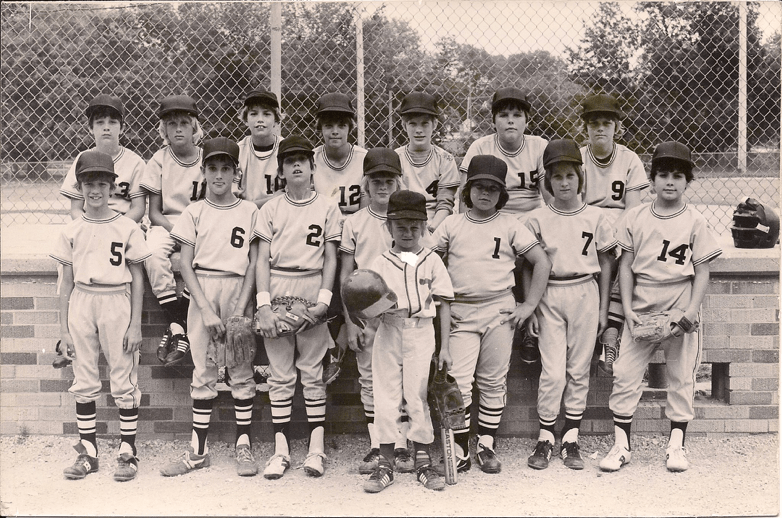
It turned out that coaching these kids, most of whom would never play high school or college sports, was fun and gratifying. Equally important was the friendship and camaraderie I had with my assistance coaches, all of whom also had their own kids on the teams. We had an agreement that when a coaching point needed to be made with our own sons, we would have the non-father talk to the boy. He would actually listen to, and heed the advice of, the other coach. Of course, we were always tougher on our own kids.(Bob Peavler, Gene Latimer, Don Roach, Jerry Mills, Jack Mateski, Barney Faletti, Bob Van Duyne, Bob Rink, and Bud Lombardi were tremendous assistants.)
Together, we tried to play all the kids on the team whenever we could, but we never intentionally put kids in games at a time when they might be embarrassed. That presents a very fine line for the coaches.
We found that games were great fun, but practice sessions were far more important to develop individual and team skills. During games, we tried to set an example for the kids and other coaches by not shouting at the umpires or blaming one another. Sportsmanship and fair play were our modus operandi. There also were occasions where we didn’t perform in an ideal fashion and I am sorry for that.
We also tried not to “overcoach” the kids, directing each action on the field or in the gym. We wanted them to do some thinking on their own and make mistakes. Errors are part of the game and there was never a situation where the kids intentionally screwed up. Do you think that they dropped the ball on purpose? Build their confidence, don’t demoralize them. “You’ll do better next time!”
Before the season started, we made an agreement that overly zealous parents in the stands would be restrained or curtailed. There is nothing worse than having the youngster’s parent embarrassing the boy. Of all the voices of the fans, the boy will always hear the one voice that comes from a parent.
Our teams didn’t have the advantage of manicured fields, large gyms, and other amenities. There were no names (other than sponsors) on the backs of the uniforms. We didn’t travel in large recreation vehicles to distances farther than Joliet. There was no festive gathering after the end of the season unless it was a pool party at someone’s house. The best news was that parents didn’t spend a fortune for their kids to play ball.
All of my coaching experiences were the best.
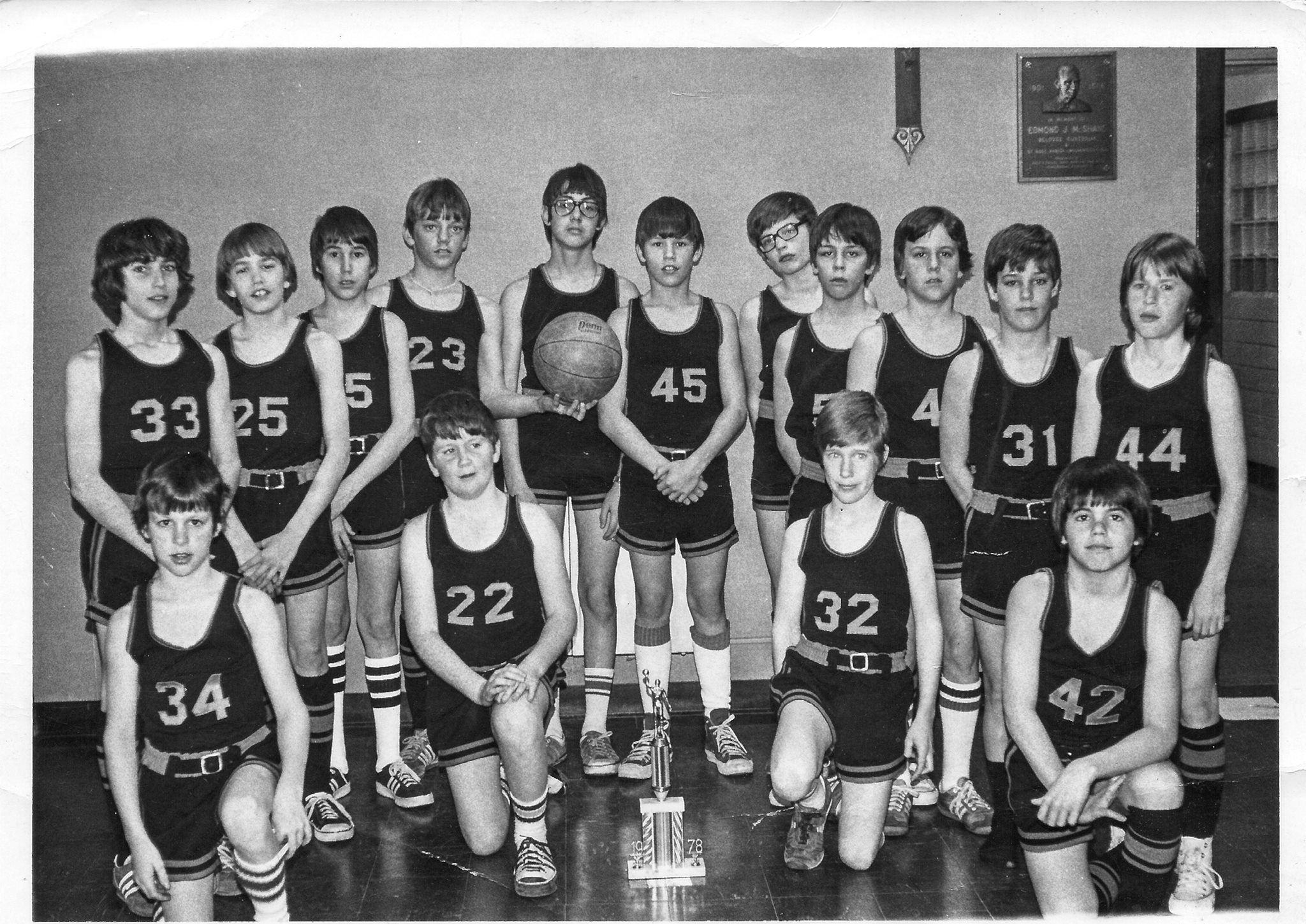
“Whether you’re coaching at Notre Dame or at Boys Club, it’s teaching young people. One is no more important than the other.” Gordie Gillespie

 Braidwood Beginnings