“The illiterate of the 21st century will not be those who cannot read and write, but those who cannot learn, unlearn, and relearn.”
Alvin Toffler
Learning and Unlearning
When we are young, we are sponge-like, soaking up all that surrounds us while we are formed into the people that we are. Our parents, teachers, and community became role models and we learned their ethics, morals, principles, integrity, and societal roles.
Unfortunately, our sponge also accumulated some of the grunginess of misinformation, prejudice, myths, and distortion. It becomes our task through the rest of our lives to maintain the positive aspects of our formation, while discarding and replacing the negative parts.
For me, continuous learning – and Unlearning– can be viewed as continuous transformation while not deserting my early formation in Braidwood, my home town.
Although others may follow a different transformation process, my path has been, and continues to be, through books, music, and people. These are the resources that inspire me, expose me, challenge me, and rejuvenate me.
Growing up in the 1940’s and 1950’s, we had the great fortune of limited television, no computer games, lots of time to read, and listening to the radios and record players. In my house, both mom and dad encouraged reading and music. Most of our traveling was in our imagination and visualization.
Books and Music
“Some books should be tasted, some devoured, but only a few should be chewed and digested thoroughly.”
― Sir Francis Bacon
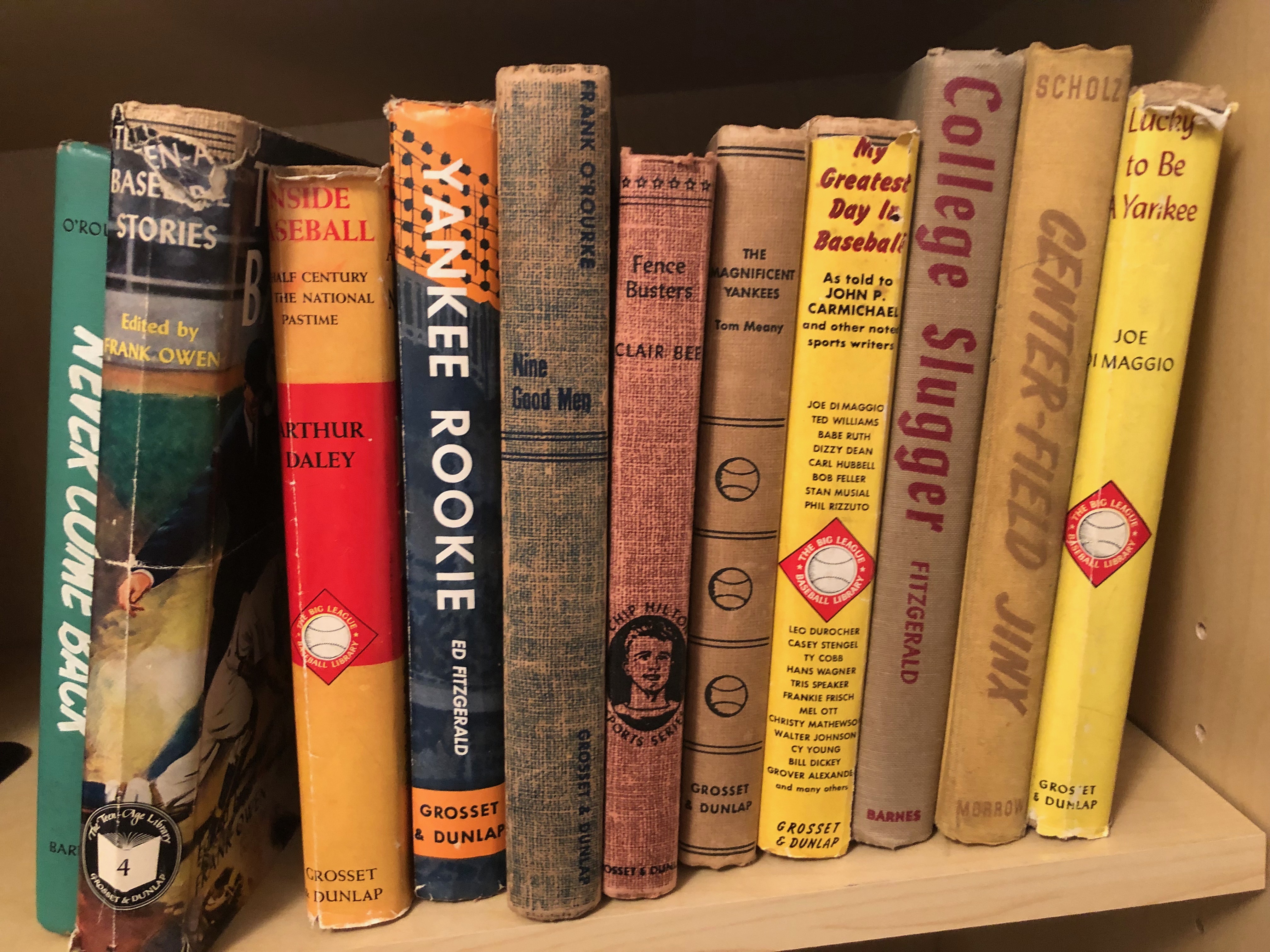
The world of books was augmented by Encyclopedia Britannica (with its annual supplement) and since Braidwood had no library at that time, we built our own “house collection.” I gorged on baseball books and Zane Grey westerns, and “became” the characters I read about. I suffered with them, felt their joy and pain, and ultimately celebrated their victories. Edgar Allan Poe’s poetry and short stories intrigued me while Robert Frost’s verses soothed me.
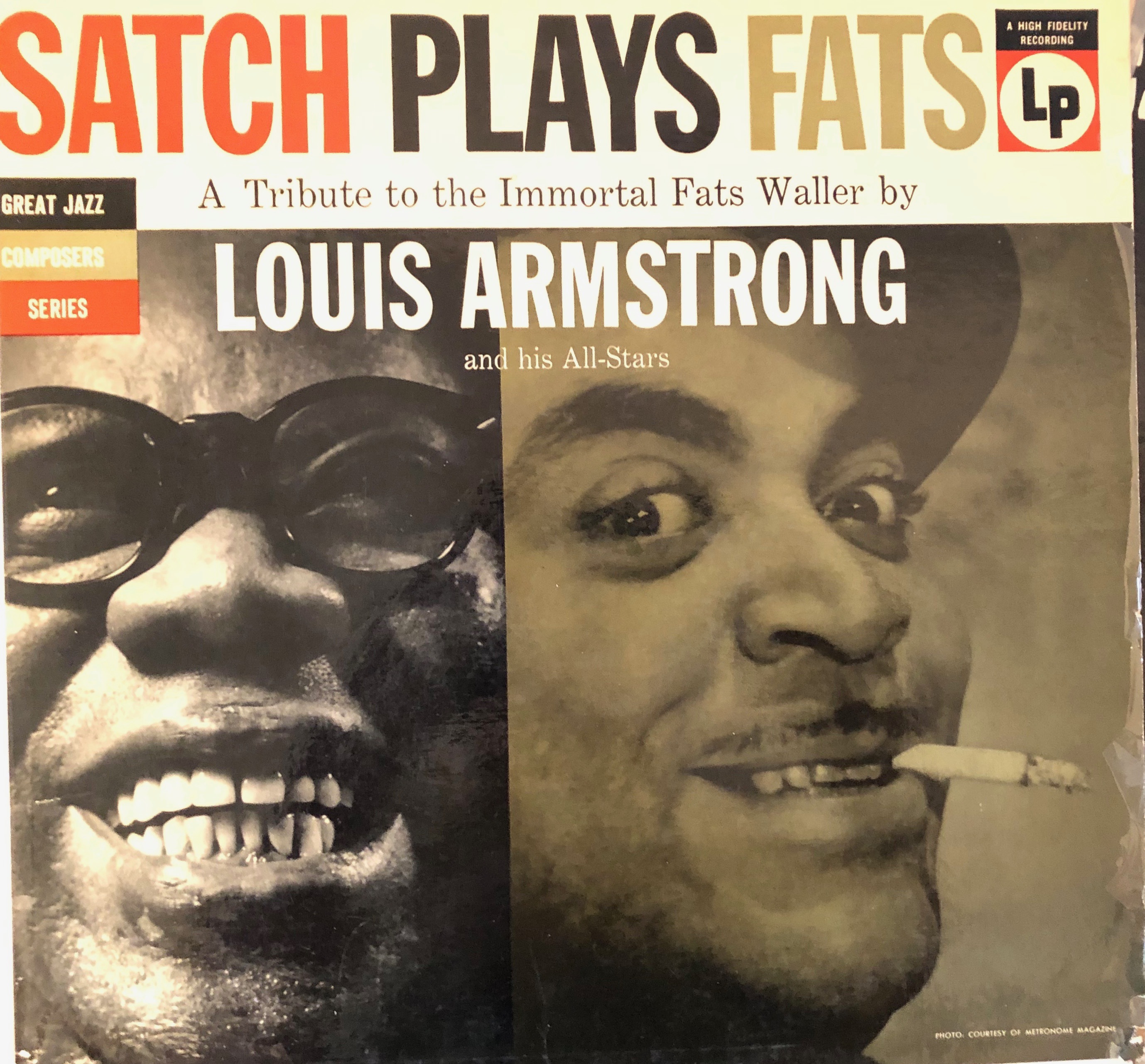
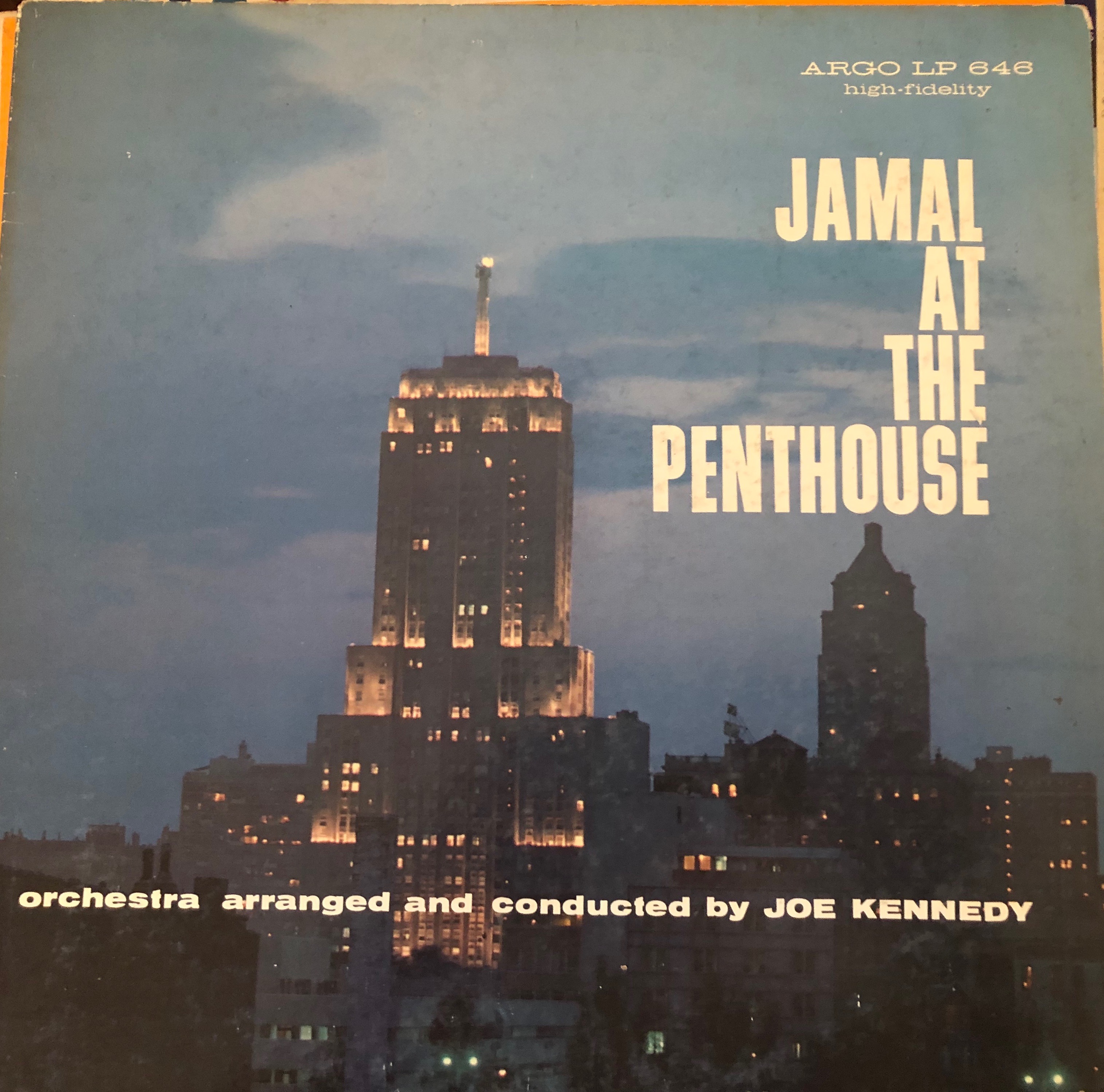
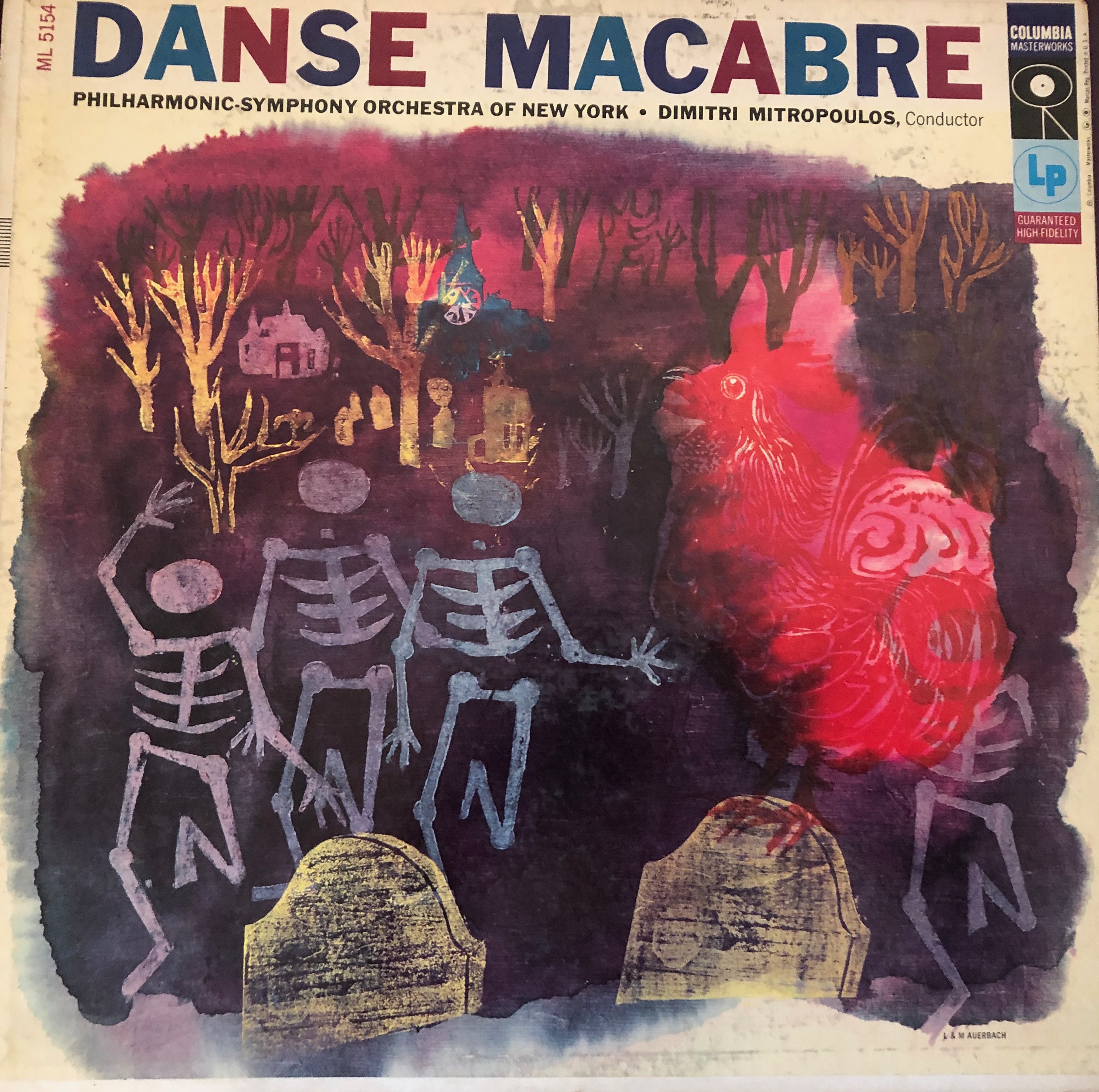
So too, it was with music. Being a trumpet player, I felt that I was playing along Benny Goodman, The Dukes of Dixieland, or Duke Ellington. I listened intently to the musical fantasies of George Gershwin and Aaron Copland and became their companions. Later, I was fascinated by the newer worlds of Ahmad Jamal, Peter Tchaikovsky, and Thelonious Monk.
As Francis Bacon pointed out, books (or music) need to be ingested according to their respective value. Are they appropriate for tasting, chewing, or digesting? Do they somehow help me to become a better person? Did I learn something? Or after tasting them would it be better to spit them out?
People
Bacon’s notion of how books might be best read might also be applied to people. As we “become” the books’ characters or music’s composers, might we consider “becoming the other person” and view through his/her eyes?
By listening, reading body language – totally engaging in the other, not ourselves, and asking questions – it might be possible to understand and learn more. As a book might be read to be tasted, chewed, devoured, or “digested thoroughly,” so it would be with people.
The “other” might be a friend for many years, someone you work with, or a person with whom you have a very brief encounter or conversation. By reading them, your ego is subdued, and you might learn something. I think that this may be more difficult as we grow older and think that we should know almost everything. (“Everyone is entitled to my opinion.”) Listening is harder work than talking.
My choice in life’s journey is to get off my “island of sameness” and into a world of inclusiveness. Relationships with people who are different than me, whether they are Muslim, gay, Hispanic, Black, or female, have provided the stimulus to “get outside of myself.” Throughout all these differences, we share our humanness and common goals. We are all the same, but without those relationships, they would have remained profoundly different to me and from me.
I learn the most from diverse nationality populations such as Puerto Rican, Filipino, African-American, Muslim, and Mexican. (I dislike labeling people, but I lack better words.) Other colleagues and friends are much more like me in appearance and upbringing. But it is from those who are different that I learn and grow the most.
Concluding Thoughts
The old order that I learned, and have discarded, was constructed as follows:
- Go to school and get an education
- Work
- Marry and have kids
- Retire
- Die
While not being opposed to work, family, and retirement (I am opposed to death), I think that education and learning is an ongoing process that should continue throughout a lifetime. Books, music, and people work best for me in order to reconsider and transcend my Braidwood foundation without eliminating it.
“…cultivate a beginner’s mind, walk straight into your not-knowing, and take the risk of failing and falling, again and again.” Parker Palmer

 Braidwood Beginnings