Confessions of an unorthodox earthling hoping for cooperation and collaboration.
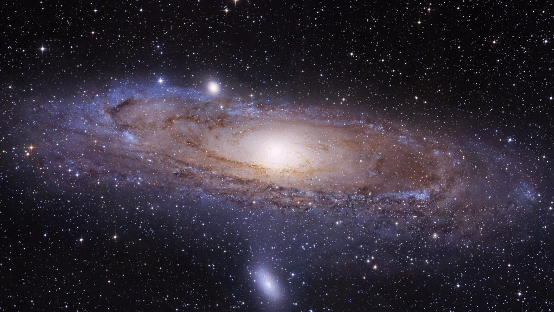
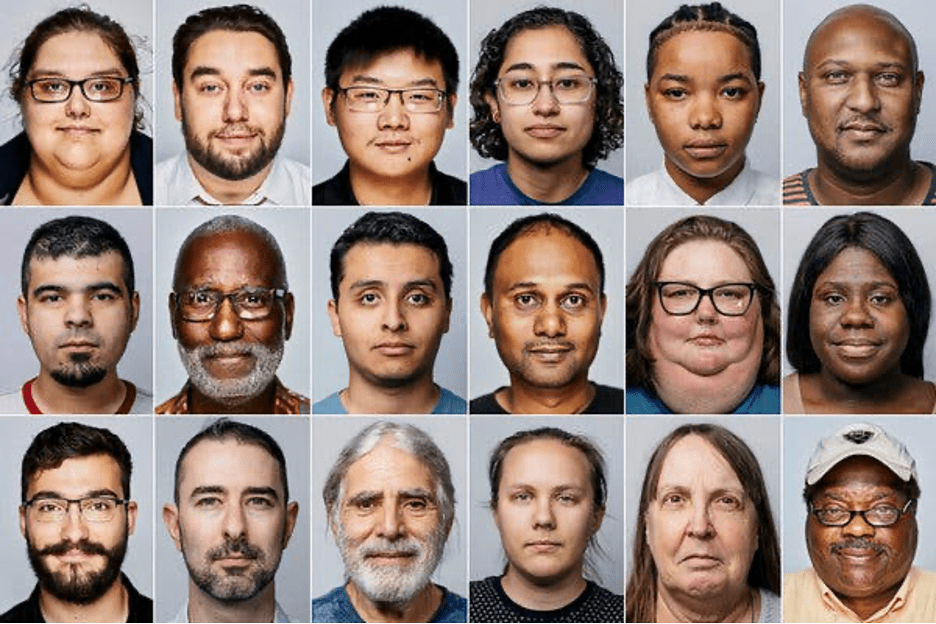
The term “earthling” has become a favorite of mine. At a time when we humans seem to be divided by categories, subsets, and subgroups, we have lost sight of our common existence. That we are all one with really insignificant overall differences. Differences that have been grossly overvalued and exaggerated at our national and human expense. It’s the ugliest aspects of “tribalism.”
Thus, it is my hope that we consciously consider that we are humans concerned about our mutual existence. As earthlings, we should be taking care of, and helping, one another in order to avoid mutual annihilation. Thus, the common name: “earthlings.”
In terms of the universe’s vastness and the extremely short time humans have been on this speck of a planet, we are really irrelevant except to ourselves and one another. We better stick together.
Spiritually Connected
I was taught in grade school by the nuns at St. Rose that each of us has a soul, a sort of spiritual aspect that extends beyond our physical body. I have no idea if that is true, but let’s consider that it might be. Perhaps my soul has an affinity and connection with everyone else’s soul, that we are all inter-related.
Not only with other earthlings, but with all nature? With the universe? This connectedness would be an indicator that I am not an island unto myself. I sorely need everyone and everything in order to be who I am, and to survive.
Native Americans are Immigrants?
The United States is a hodgepodge of earthlings who immigrated at some point, the earliest being the “pre-Clovis” folks some 33,000 years ago. (https://www.bbc.com/news/science-environment-53486868) At the current time, we have allowed ourselves to be divided into so many sub groups that the “us and them” notion would suggest that vast differences exist between us. Fact is that we are tied together in many ways as one earthling family, a family that believes in the democratic principles as defined in the Constitution and Bill of Rights. (All are created equal, equal justice under the law, etc.)
In 1776, the democracy was an experiment, an experiment that has been tested and challenged over these 244 years. Democratic principles have continued to be applied in many other countries during that span, but never in populations as diverse as in the United States. Currently, we are going through another test to see if this experiment can endure. I think that we can and will if we embrace our commonalities as well as our minor differences.
Post-Tribalism in the Future?
We haven’t achieved the vision and principles stated in our country’s sacred documents for all segments of the population. But in my lifetime the country has moved, albeit in fits and starts, toward those objectives. The only way that we as a people can make more rapid strides is for us to work together. For this to happen, each one of us must see the world through the lens of the disadvantaged and marginalized, those with different views, and those of different nationalities. Let’s consider how we can get past tribalism toward a future of common good.
― Matshona Dhliwayo

 Braidwood Beginnings