“You don’t get harmony when everybody sings the same note”
Doug Floyd
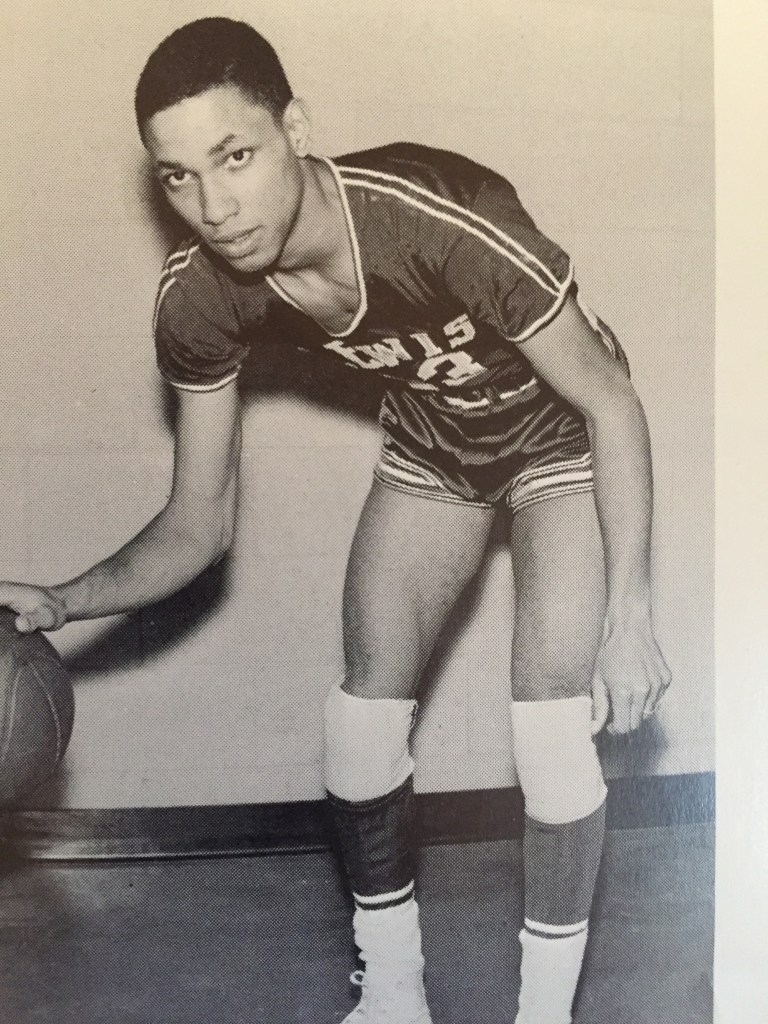
When I think of “teammates,” the first picture that comes to mind is one with uniforms and team logos. While that may be my initial reaction, it shortchanges the length and breadth of other teams that have had a profound impact on my entire being. What is a teammate?
A teammate is someone with whom you strive for a common goal. In sports, it is a collection of humans that works together to score more points than their common opponent, an opponent that has the motivation to do the same against your group. On an individual basis, my teammates help make me a better performer and thus contribute to the greater team and common good. If I am a good teammate, I will do the same for them.
In basketball, you set a pick for your teammate. Clear the side for him to go one-on-one. Pass up your shot because he has a better shot. (or is a better shooter.) Help on defense.
Teamwork also depends on “harmonizing” the special talents that no one person can possess. It is more than merely “pooling” these individual talents. Instead, it requires the art of a leader like Coach Gillespie who could meld individual abilities and skills into a true team.
“Be in harmony, yet be different.” Confucius
Confucius
But to think exclusively of a “team” only in the sense of sports would be confining and misleading. Most people have limited or no personal experience in athletics but nonetheless have been great team members in organizations, associations, and groups. For all my time playing and coaching sports teams, I have had many more circumstances to be part of non-sport teams.
Whether it be in sport or non-sport groups or organizations, being a team member can also expand your knowledge, skills, and wisdom while painfully challenging assumptions, biases, and prejudices. Teammates compensate for your weakness, play into your strengths, and help you recognize deficits and blind spots. The pre-requisites for this professional and personal expansion are strong relationships and openness to accept (sometimes painful) criticism.
Two Teams at Lewis
There were two major experiences in my early adult life – both at Lewis College/University – that laid the foundation for my future. One was as an athlete and the other was as Dean/Vice President. Both had elements of leadership, followership, and friendship. I cherished and respected my teammates in both venues.
In this blog post, I start with sports but will expand in the future to the role as dean and vice president.
Sports
I have been on many athletic teams that helped form me into a better, more well-rounded human being, not merely a better performer. Specifically, some teammates arrived on the scene from backgrounds and experiences that were completely different than mine. It was from these teammates that I learned the most.
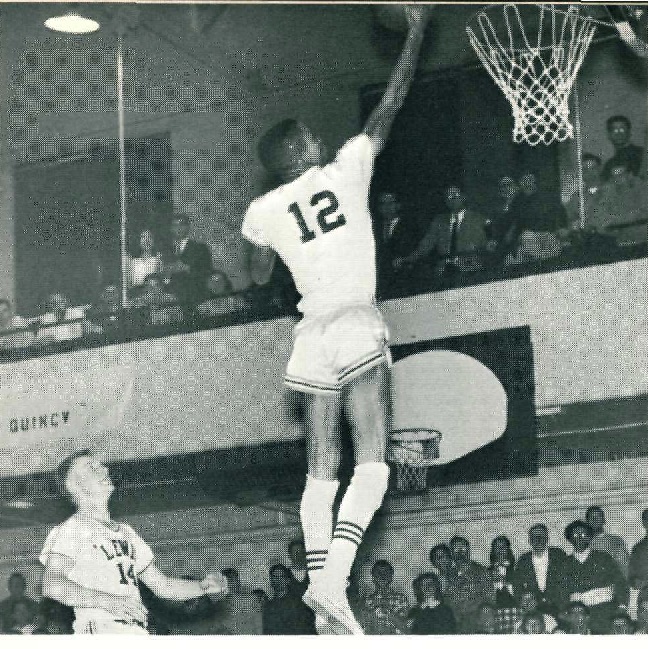
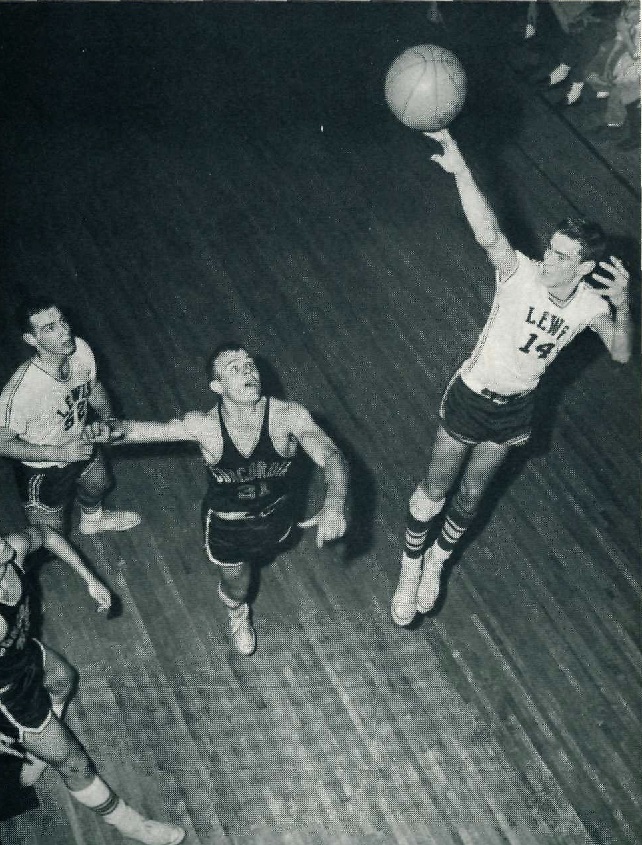
An example would be my teammates on the Lewis College basketball teams between 1958 – 1962. Although we were all first-generation college students, there were differences:
- They were city kids (Chicago) whereas I came from a small, basically rural town (Braidwood);
- They had the experience of playing organized, well-coached teams while I did not;
- They were Black, White, and Hispanic.
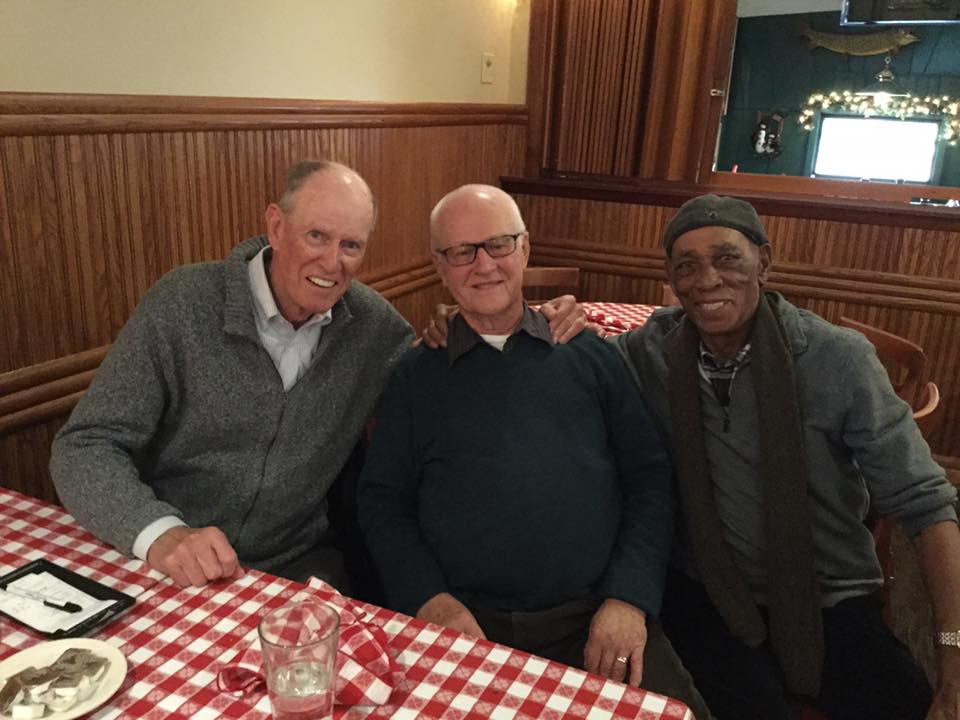
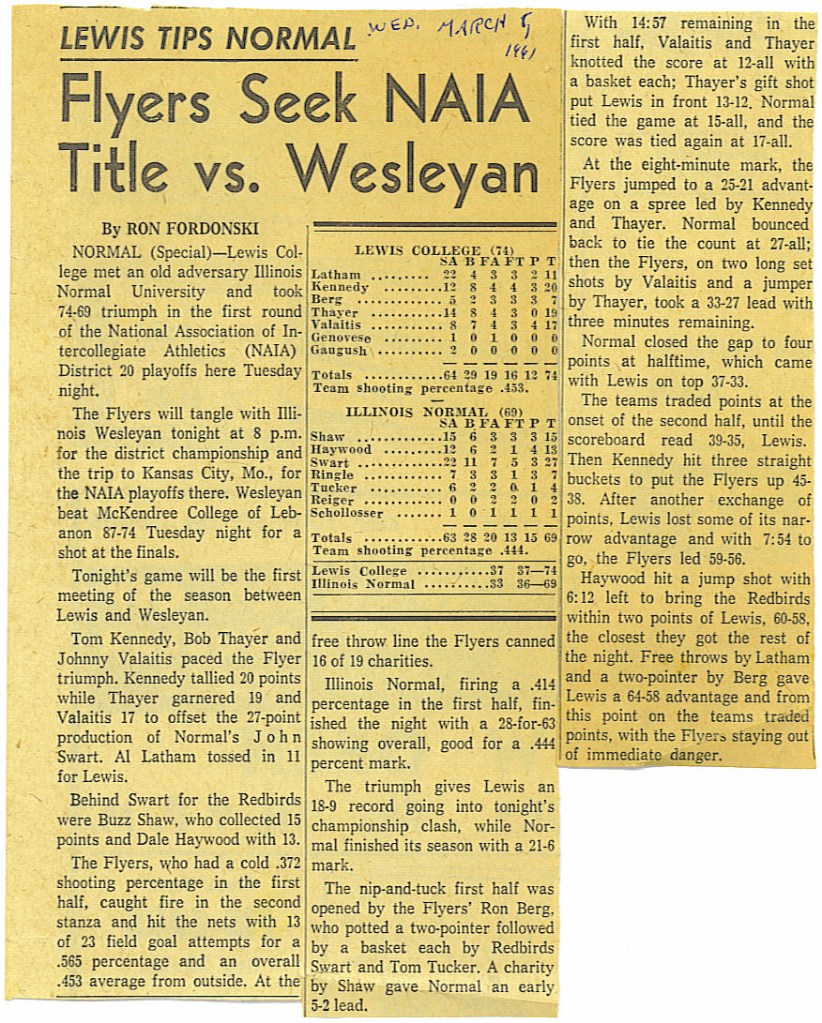
Among all of these Lewis athletes, two stand out as having been particularly influential in my life, perhaps because of the more poignant distinctions. Bob Thayer and Tony Delgado were teammates who were as different from one another as they were different from me. What we shared was that we were all teammates playing for the great Gordie Gillespie.
A year older than me, Bob Thayer, an African American from Tilden Tech High School, was a talented guard and my first college roommate. He was one of two black players on the team. The other was Gordie Kendell, a senior. Although I had grown up in Braidwood which had several black families I knew as friends and neighbors, this was the first time I literally shared my life with any person, regardless of color, outside my own family.
Bob grew up in the Wentworth Gardens Housing Projects of Chicago’s southside where his apartment accommodated three older sisters and his parents. Living only three blocks away from Comiskey Park, the very young Bob sold newspapers and White Sox scorecards before the games. During the games, he and his friends might try to sneak into the stadium since they knew every entrance.
Bob tells the story about the time that he and some other kids entered the park when the team was out of town. Seeing that the second base bag was still on the infield, Bob “liberated” the bag, left the park, and installed it as home plate on their project baseball field. Bob then claimed to be the “first black person to steal second base in Comiskey Park.” (Later, he had forgotten that the Negro League also played in Comiskey. So he was the youngest black person to steal second base.)
What was it about Bob that had a profound impact on me? In many ways, we were very much alike in music interests (jazz), strong family ties, gregarious nature, and physique. We got along with most everyone and our sense of humor included laughing at ourselves. However, it was outside of the gym, that I learned the most.
I was shocked in 1960 after getting off that train in Memphis where we were to play a basketball game when Bob had to take a “colored cab” while the rest of us were in other cabs. My roommate was forced to stay in a college dorm (where he says that he was well treated) while my other teammates and I stayed in a hotel. For the first time in my life, I saw segregation through Bob’s eyes. Undaunted, he was our leading scorer in the game the next night.
When we were denied service at Pastore’s restaurant in Joliet, Bob and I found an alternative by going to McGill’s on Patterson Road. Again, he showed grace and class in a situation that deeply disturbed me.
Bob said that his four years at Lewis were similar to his high school years where his team had a mix of black and white players. There were few times that he faced discrimination except for an incident when he was an incoming Lewis freshman. His first roommate assignment was with a white kid from southern Illinois whose parents objected resulting in Bob’s reassignment to a different roomie, Ed Finn who was also a ball player. (After Bob was named MVP that year, those white parents invited Bob to dinner. Bob declined the invitation.)
Bob and I have remained friends throughout the years, sharing family and basketball stories. Looking back, we often times were leading scorers in a number of games. That was another aspect that my roommate and teammate shared: we often shot the ball more often than our teammates. (But an astute observer might say that we were above average shooters.)
I would hope that all people like me would have had the opportunity to have a Bob Thayer in their lives. There was no question that we both knew that we were different in very small ways but that those cosmetic differences amounted to almost nothing in our lives. Instead, I had the great privilege to have known, and continue to be a friend of, a most wonderful human being who brought another dimension to my life…and to the lives of my children and grandchildren.
A future story will be about another basketball teammate, Tony Delgado. Tony, of Mexican heritage, came from Harrison High School in Chicago where he was raised in a small apartment with numerous siblings.

 Braidwood Beginnings
Love your writings! Brother,
On Tue, Dec 29, 2020, 8:52 PM Braidwood Beginnings wrote:
> braidwoodguy posted: ” “You don’t get harmony when everybody sings the > same note”Doug Floyd When I think of “teammates,” the first picture that > comes to mind is one with uniforms and team logos. While that may be my > initial reaction, it shortchanges the length and b” >
LikeLike