When I think of “teammates,” the first picture that comes to mind is one with uniforms and team logos. While that may be my initial reaction, it shortchanges the length and breadth of people who have had a profound impact on my entire being. What is a teammate?
To think exclusively of a “team” only in the sense of sports would be confining and misleading. Most people have limited or no personal experience in athletics but nonetheless have been great team members in organizations, associations, and groups. For all my time playing and coaching sports teams, I have had many more circumstances being part of non-sport teams.
The Dean’s Team
They were older, male, female, and smart. They were black, white, and Hispanic. My new team didn’t bat, shoot, or throw, but they were just as much a team than any sports team I had ever played on or coached. They were fellow administrators and faculty members in the Student Affairs department of Lewis College/University who became colleagues, critics, mentors, and teammates for a young, inexperienced 32-year-old dean of students.
Had it not been for the social and racial unrest of the late 1960s and early 1970s, it is doubtful that Lewis would ever have invited me into this new world of Student Affairs in 1972. My credentials consisted of working effectively with the newly diverse Lewis student population and organizing student groups into competitive athletic events. My 5-year higher education administrative experience was in intercollegiate and intramural athletics.
Any success that I enjoyed in the athletic department was due to my fellow coaches and to the students who served in leadership roles. Their solicited and unsolicited feedback was critical to maintaining and expanding programs that served the entire Lewis student population. As dean, I would need the support of new teammates to guide, criticize, and educate me.
The focus of this new role would entail dealing with racial issues and student development. Although I had resolved several situations in the athletic department when race related altercations and flareups occurred, I was aware that my knowledge of black history and discrimination was insufficient. Fortunately, some of my new Student Affairs team members included people who would coach and mentor me over the next six years.
I wasn’t starting from ground zero on race awareness and relations. Growing up in my hometown, Braidwood, I had friends and neighbors who were African Americans. I had diverse teammates on my baseball and basketball teams, especially during my college years. My first college roommate was African American. Unlike many of my peers, my background was reasonably diversified but there were significant gaps that reading books alone would not fill.
I had approximately 15 Student Affairs teammates, professionals I would get to know and respect. We developed student leadership programs, served as advocates for individual students and groups, and tried to confront the major issue on the campus: racism. On this issue, I depended on the savvy of certain teammates like Kathleen Bolden, Charles Kennedy, Joe Velarde, Yvonne Smith, and Charles Jones.
The Players
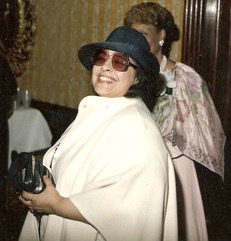
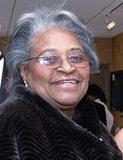
Kathleen Bolden became a good friend as well as a teammate. Her mere presence demanded respect and when she spoke her words were honest and direct. Kathleen was considered the primary voice for minority and disadvantaged students, whether black or white.
Knowing my personality, Kathleen cautioned me about some of the Lewis politics. “Be alert. Some people mistake kindness for weakness. They will take advantage of you if you’re not careful.” I learned how a black mother had to teach her boys about situations when they will be vulnerable – situations that I never had to be concerned about with my kids. How black people had fallen prey to white standards as Kat confronted another black female administrator who bragged about having “good” (meaning straight) hair. I had never heard that before.
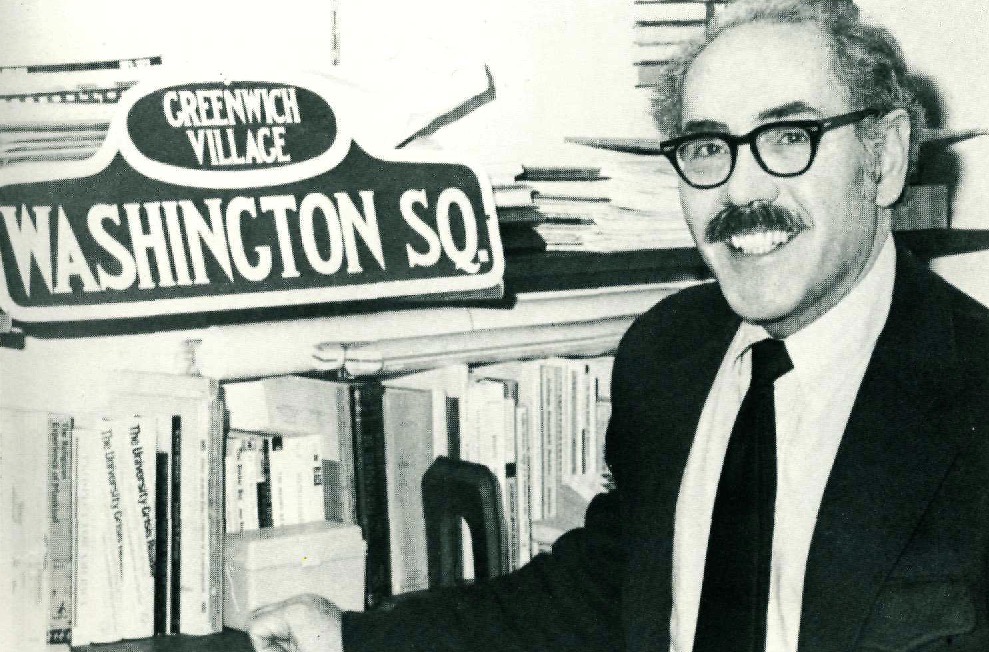
Charles Kennedy was a father figure and another advocate for minority students. His office was across from my office in the Learning Resource Center. He and I laughed often when people called into Student Affairs asking to speak to “Mr. Kennedy.” Our desk person, Becky Jones Robertson, frustratedly reverted to asking, “You want the black one or the white one?”
Besides being an academic and advisor, Dr. Kennedy was a respected Joliet Junior College Board of Trustees member for many years. As a teammate, Charles corrected me when I referred to a black candidate as being “very articulate.” Charles gently reminded me that it was racist if I meant that he spoke like a white person. He was right and I stood corrected.
A retired army and WWII veteran, Servando Jose Velarde in his brief time at Lewis was a mentor for the young dean. Having immigrated from Cuba, Joe defended Lewis student rights and helped guide me through some of the political traps in academia. I admired him for his vast experience and classics education. When I read his obituary, I was amazed at Joe’s lifetime accomplishments. (For more on Joe: https://www.legacy.com/obituaries/sacbee/obituary.aspx?n=servando-j-velarde-joe&pid=160694353)
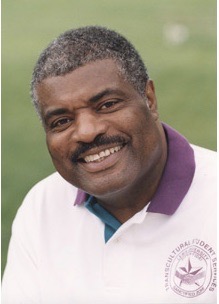
Two other teammates also deserve acknowledgement for helping to guide and educate this young dean/vice president especially in racial matters. Charles Jones was one of the chief Lewis administrators who was a strong voice for minority students while identifying “institutional racism,” a term now being called “systemic racism.” Always a diplomat, Charles was a true statesman as well as an outstanding role model for me. Yvonne Smith served as one of the chief black advisors and a staff member in Student Affairs. She and I had serious discussions, but we also enjoyed many lighthearted moments.
The Team
I would be remiss if I didn’t point out that the strains and stresses of those early 1970s represented just an aspect of my Student Life experience. My teammates and I not only worked and learned together, but we also enjoyed being with one another. We had plenty of disagreements, but they never were either personal or protracted. We partied, we lunched, we laughed, and cried together. In every sense of the word, we were a team just as if we played or coached basketball or baseball. Nobody was successful if the team wasn’t successful. Any personal or professional success that I enjoyed regarding racial or non-racial matters may be attributed to my minority colleagues and teammates. My failures were solely my responsibility.


 Braidwood Beginnings
Tom,
This is good stuff. Makes me think about writing something similar about team(s) I have been part of.
I think your last line is a bit of an overstatement. Seems to me that if the team is responsible for the “wins” then the team also has at least partial responsibility for the “losses.” Just a thought.
Would you resend John’s piece, by the way. I can’t find it.
Remain calm.
Allan
allantwo@outlook.com
303-883-1589
LikeLike