A commonwealth is a traditional English term for a community founded for the common good. The term literally meant “common well-being.“

(This post continues my journey from the College of St. Francis to Regis University and finally to Ana G. Mendez University in Puerto Rico. It is the story of partnerships and the role that collaboration and teamwork played in my life. (See: “Partnerships: Learning from Billy and Robert”; “How Much of a Gamble Was It?”; and “Aligning Personal Mission with Institutional Mission”. The links are listed at the end.)
The term “commonwealth” had no special meaning to me prior to writing this post. I was vaguely aware that four states are officially designated as “commonwealth” in their state constitutions. The Commonwealth of England is a term that is often used. Looking back on the role that Regis assumed while ultimately working in collaboration with colleges universities, partnerships look more like a “commonwealth” which promoted a shared “well-being.” How can we help one another through partnerships and collaboration toward the common good?
The First Partner School: Lewis University
After identifying a new opportunity for Regis and a role that I could play at the University, my task now was clear: to identify a partner school that would be interested in using the RECEP model of adult education. At the time, only a few colleges in the country were using the model which indicated that there could be hundreds of candidates. But one stood out. My alma mater, Lewis University, seemed a likely college for a pilot project. It would be the first of 33 partner schools.
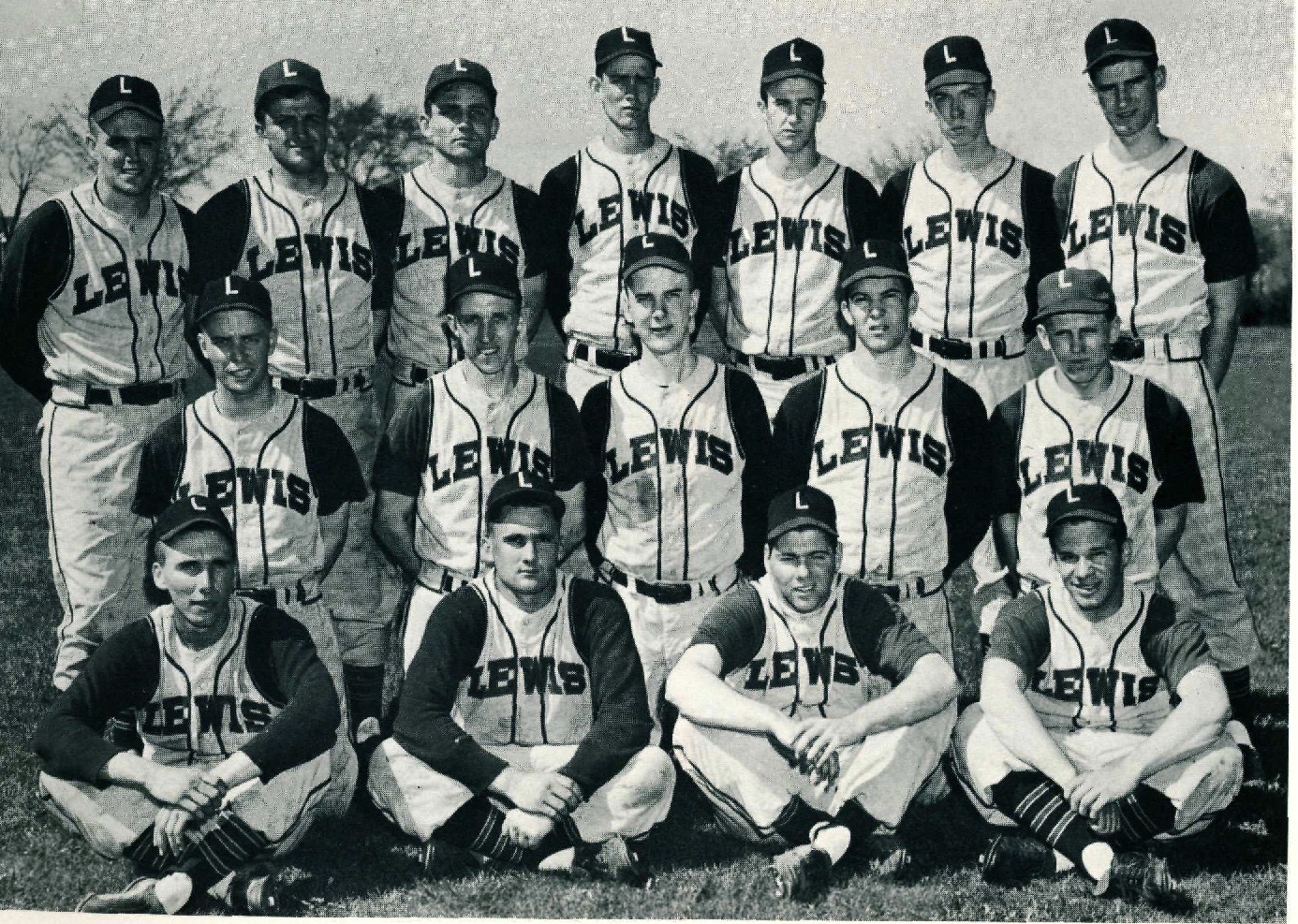
My relationship with Lewis had been firmly established over many years. Between 1958-62, I had been an undergraduate student. During those four years, Lewis College had transformed from a Catholic diocesan college to a Christian Brothers institution. In 1967, I was selected as a coach and faculty member and in 1972 as the Dean of Students and then the Vice President of University Services.
Another factor was that Regis President Fr. Clarke had also been associated with Lewis in 1970 as the academic provost during the ill-fated Lewis-St. Francis merger process. I found a unique partnership between Dave Clarke and me.
Developing a Model
Between the fall of 1988 and the spring of 1989, we were busy meeting with Regis colleagues and Lewis’s administrators to explore how a mutually beneficial partnership might work. Regis possessed the expertise from an existing successful accelerated model and Lewis saw the potential to expand its educational mission to a new adult population. Lewis already had considerable experience in teaching adults via traditional methodologies, but the RECEP model entailed much more.
During separate Colorado visits, the President of Lewis, Brother James Gaffney, and his V.P. of Academics, Bother Eugene Lappin, were convinced that collaboration with Regis had potential merit. Likewise, Fr. Clarke and I made several visits to Lewis. We agreed in principle that a Regis-Lewis joint venture would be mutually beneficial, a model that shared risk and gain.
The partnership framework which was developed during many internal meetings at Regis ultimately became the prototype for future relationships. The Regis investment would be front-loaded with professional expertise and intensive collaboration with the partner school.
From the beginning, our approach was to assist Lewis to implement the accelerated model over a 5-year time. It called for concentrated training of their new team, sample materials, and systems, policies, and procedures that had proven effective for Regis.
It would be an example of planned obsolescence on our part. Our job was to teach and train until Lewis was ready to fly solo. At the end of 5 years, Lewis had the option to continue the partnership on a smaller scale or dissolve further services from Regis. We would operate as colleagues and their staff members might become Regis consultants for new partner schools.
The new partnership, the Lewis University Career Education Program (LUCEP) began student enrollments in the fall of 1990 and by the termination date in December 1997 over 16,000 enrollments had been accomplished. The partnership was a success.
New Ventures Team
“A team is merely a series of internal partnerships with a specific goal in mind. Without a team, no worthwhile goal can be accomplished.”
TRK
My past coaching experiences laid the basis for a small core team of like-minded but diversely talented people. Identifying and developing this team would be my task. I didn’t need to be surrounded with followers but rather people that complemented and challenged one another, and especially me. That initial team was Dave, Lucy, and Mary and we called ourselves “New Ventures.”
A key additional resource came from the experts within the RECEP operation. Experienced faculty and staff were available and could be outsourced to Lewis on a consulting basis. They were the practitioners who had made RECEP a dominant player in our institution and they took extreme pride in being called on to share their expertise.
Many facets for consulting services to the new partner institution were designed and implemented as we worked together with the expert advice and involvement of colleague Bill Husson and Allan Service. Gradually, our methodology and implementation strategies would produce a project-operations manual.
(See: Developing and Maintaining Accelerated Degree Programs within Traditional Institutions.Husson, William J.; Kennedy, Tom https://eric.ed.gov/?id=EJ664050 )
In retrospect, it had been apparent that Regis had developed an educational delivery system for adults that would soon become the envy of many private colleges. It was our intent now to help other institutions adopt this system through the formula that made it successful. We could capitalize on the 10-year experience and expertise of professionals now considered as our New Ventures consulting team.
The goal of assisting other colleges to reach new, underserved adult populations was really a secondary goal. More importantly, we were helping these colleges make a true difference for people whom Regis could never reach except through our (avatar) partner institutions. We had become enablers in a different sense: a creator of a “college commonwealth” where multiple colleges could actively help one another to accomplish their respective missions.
In my mind, part of the Regis mission was to multiply its gift with other colleges and universities. The New Ventures team would make a significant difference in the lives of thousands of people that we would never meet and know; and those thousands would never know our names either. But that isn’t the point, is it?
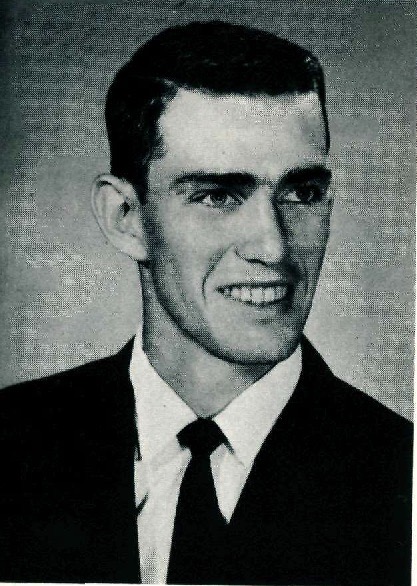
I must say that it was most rewarding to give back to Lewis College/University a self-perpetuating gift that extended its mission to thousands of new students. After all, Lewis, with its dedicated faculty and coaches, had taught and inspired a young man from Braidwood to someday have the capability to pay back a small portion of the gift he had received.
“The most satisfying thing in life is to have been able to give a large part of oneself to others.”
Teilhard de Chardin
https://braidwoodguy.com/2021/06/15/partnerships-learning-from-billy-and-robert/
https://braidwoodguy.com/2021/09/21/how-much-of-a-gamble-was-it/

 Braidwood Beginnings