“Free time, those wonderful spaces between scheduled activities when one may reflect, observe, or simply write a few thoughts, may be the best times to be alive. It’s like those precious moments between sleep and wake, the caress of floating over placid lake waters. When reality releases its grip, and dreams become reality.”
TRK
I knew right away that I could relate to this place. This place meaning Scranton PA.
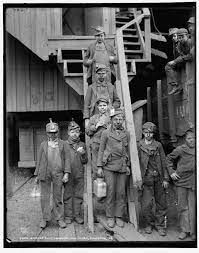
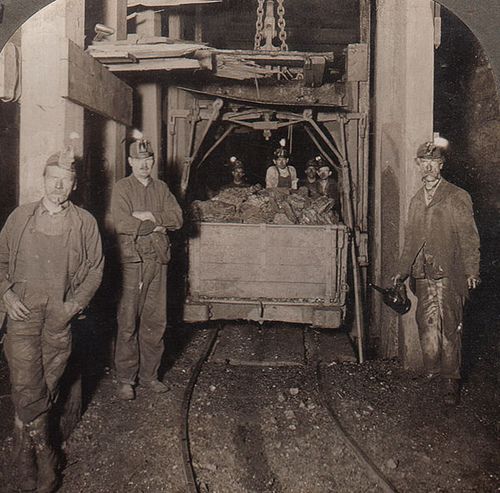
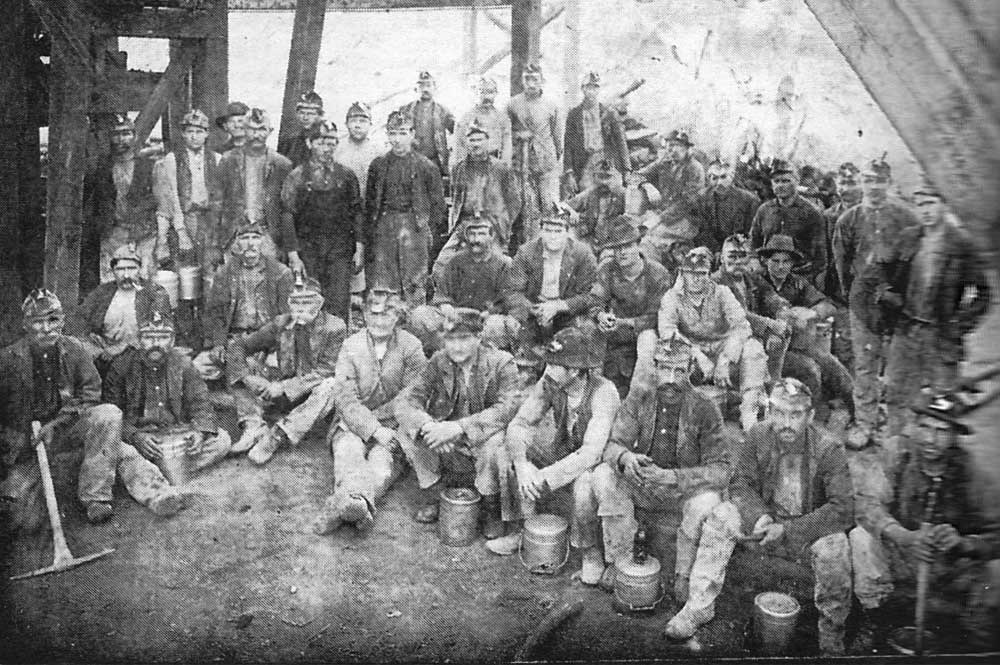
Why Scranton? It was a coal mining town at one time just like Braidwood, my hometown. Braidwood was founded because of the discovery of coal and through the early boom years was the site of labor unrest that required the National Guard to keep the peace. The history of Braidwood cannot be told without emphasizing the importance of the miners, the strikes, the African American strike breaker families who became our friends and neighbors
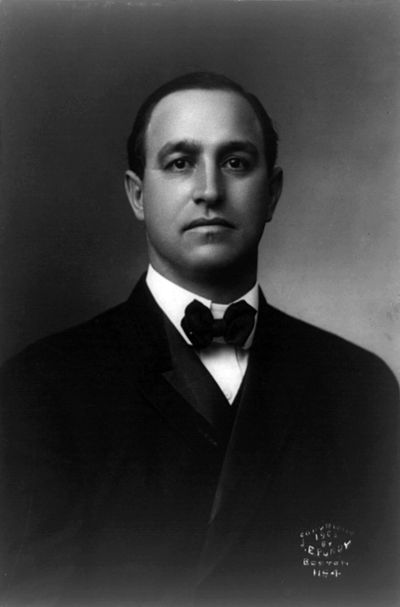
Who is John Mitchell?
One of the Braidwood kid miners was a John Mitchell who grew up to be the United Mine Workers of America (UMWA) president. He was born in Braidwood (1870), became an orphan at age 6, and began working in the mines to support his family. At the age of 18, John would have been one of the miners during the historic Braidwood strike of 1877 and would protest the Black miners brought in by the owners of the mine. (A familiar tactic pitting workers against one another separating them by skin colors.)
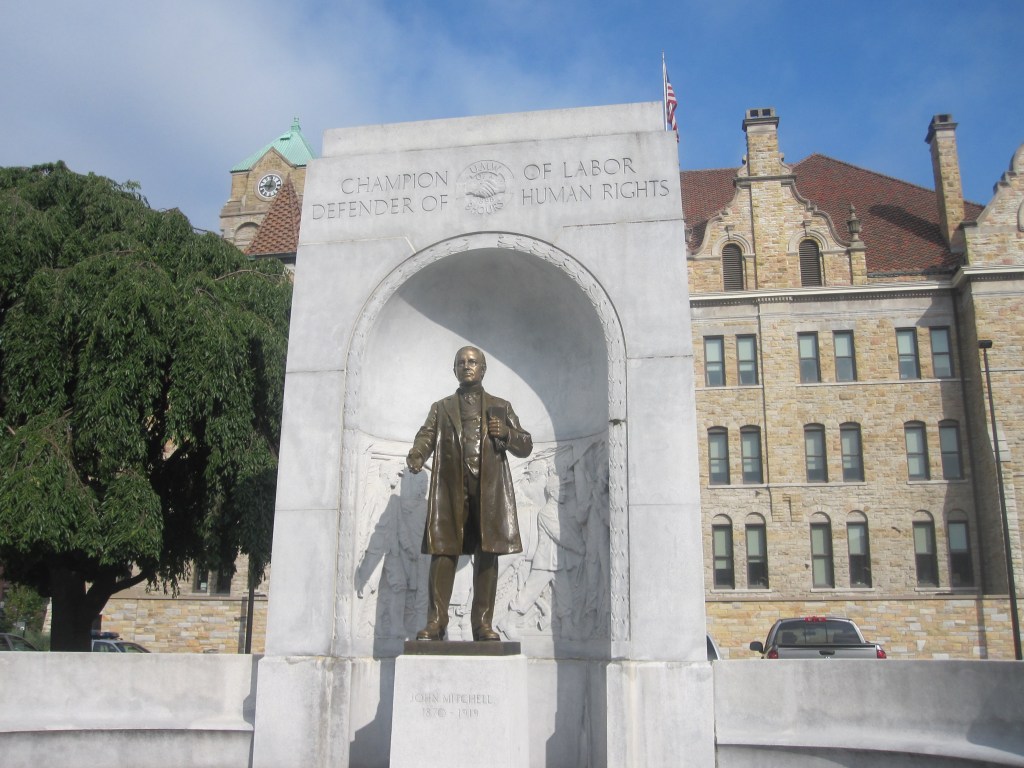
This is the same John Mitchell who was called on by President Theodore Roosevelt to settle an historic labor strike in Scranton PA in 1902. This critical settlement resulted in an 8-hour workday and a minimum wage for mineworkers.
My two business trips to Scranton left enough time to pay homage to John Mitchell and to tour an underground mine. Braidwood guy meets another Braidwood guy in Scranton!
Below are a few excerpts from my journal of these two trips, a time when a “dream became a reality for me.”
March 27th, 2002, in Scranton
My hectic travel plans got seriously mangled. Flying out of Denver on Monday at 6 AM was delayed by mechanical problems– by one hour and 30 minutes. I got to Chicago too late to connect it to Cleveland. Another flight to Cleveland would have been too late for my meeting at Ursuline College, so I flew directly to Scranton and arrived there at 6:30 p.m. rather than at 9:30 p.m. via Cincinnati.
It had rained all day, but I decided on dinner at Molly Maguire’s in Olyphant, about 10 miles away. Rob, the manager, and I had a long conversation and, as he gave me directions to get back to the hotel, a young couple corrected him with better directions, which initiated a 20-to-30-minute conversation with them. I got back to the hotel, and continued the conversation with Rich, the bartender, that we started 3 to 4 years ago on an earlier visit to Scranton.
Rob told me earlier in the evening about a diner not too far from the hotel where a good breakfast could be had. I like breakfast, and I like being at a local place where the guys hang out.
I got to Chick’s Diner by 7:45 a.m., sat at the counter with several locals, and ordered three pieces of French toast, bacon, and some coffee. The waitress, 80-year-old, 4-foot-tall Mona, took my order and returned later with two pieces of French toast with some bacon and coffee. When I said that I ordered three pieces, she told me that she was giving me the special that was only $3.50 and was saving me money. What can I do? I thanked her for looking out for me.
During my meal, a fellow old-timer with the Notre Dame sweatshirt, scooted in next to me – by now the counter was filling up – and I commented on his shirt. That began a long, two-sided conversation and he introduced himself is Paul McElhanney. His father worked in the coal mines. He played baseball, at short, and now coaches his nine -year-old grandson.
May 24th, 2002, Scranton
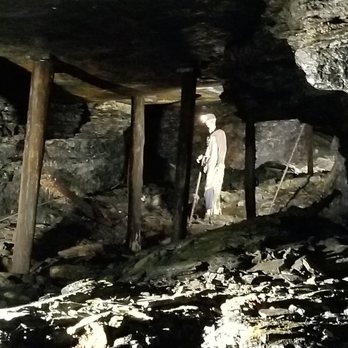
After a great night’s rest, I arose early enough to have breakfast at Chick’s diner (I saw 80-year-old Mona, in her 36thyear of waitressing, again). I made up my mind to try to find the shaft mine that has tours underground. I did find it on the west side of Scranton and somehow weaseled my way onto a 9:00 a.m. tour with a high school class. Ordinarily, they start tours at 10:00 a.m. which would not have enabled me to make my 11:00 a.m. meeting across town at Marywood.
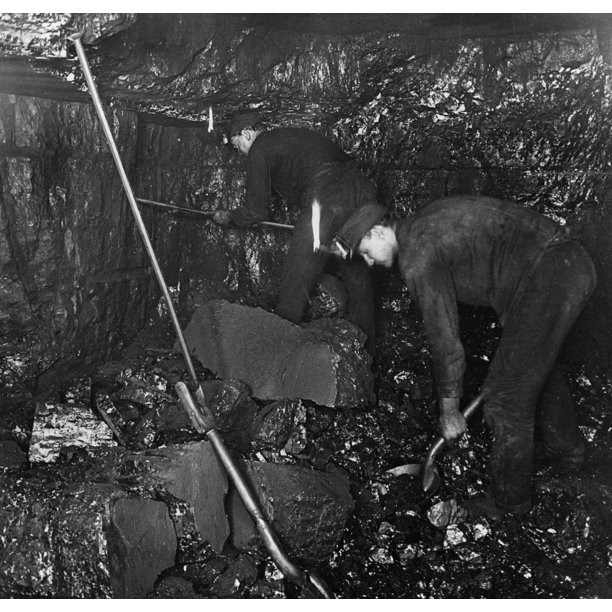
The rail tour took us down 350 feet into the depths of the mine that had been active as recently as 1968. The temperature is constant at 50 degrees with humidity at 90%. The fellow leading the tour was knowledgeable and articulate, as well as brief. With the low-dripping ceilings, it was an advantage to be inside the rail car.
Now I have a much better picture of coal mines and the work that miners did. Outside the entrance to the park is a statue of John Mitchell, a union leader who was from Braidwood. The advent of mine unions was inevitable because of the horrible work conditions and the way that the companies owned housing and the stores. Miners were usually first-generation immigrants who needed work and were willing to withstand the conditions, at least for a while.
Although I never got back to Scranton, my memories of the people and the mine have remained with me. It made me appreciate the dedication of these early miners and the strong leadership of a former Braidwood guy, John Mitchell. I could now dream of being with him, a youngster in a Braidwood mine in 1876. Cold, dark, and damp.
When reality releases its grip,
And desires and longings,
Have no boundaries,
My dreams become reality.

 Braidwood Beginnings