“Sport is a great equalizer that can build bridges, transcend borders and cultures, and render even the fiercest conflicts temporarily irrelevant.”
Richard Attias
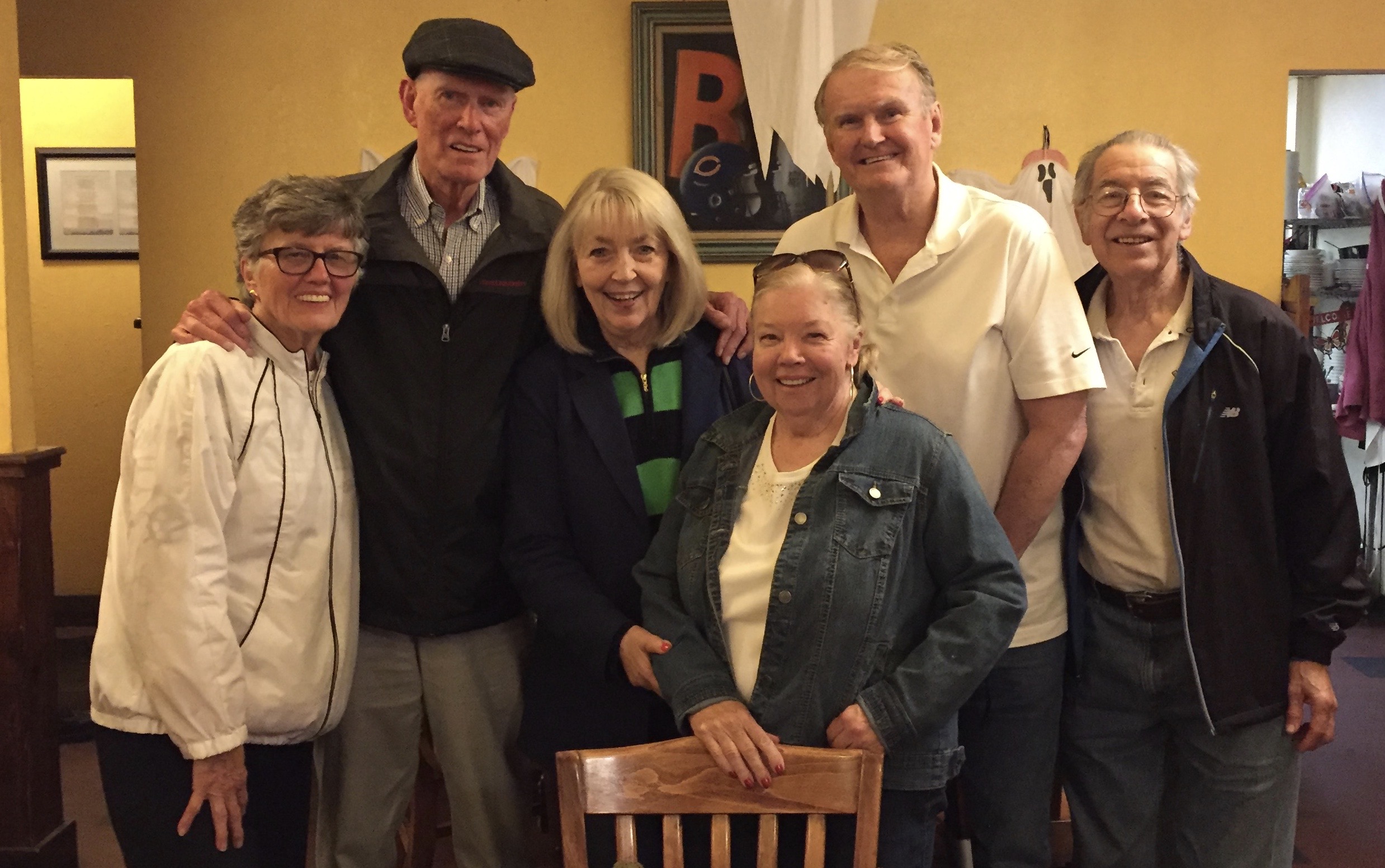
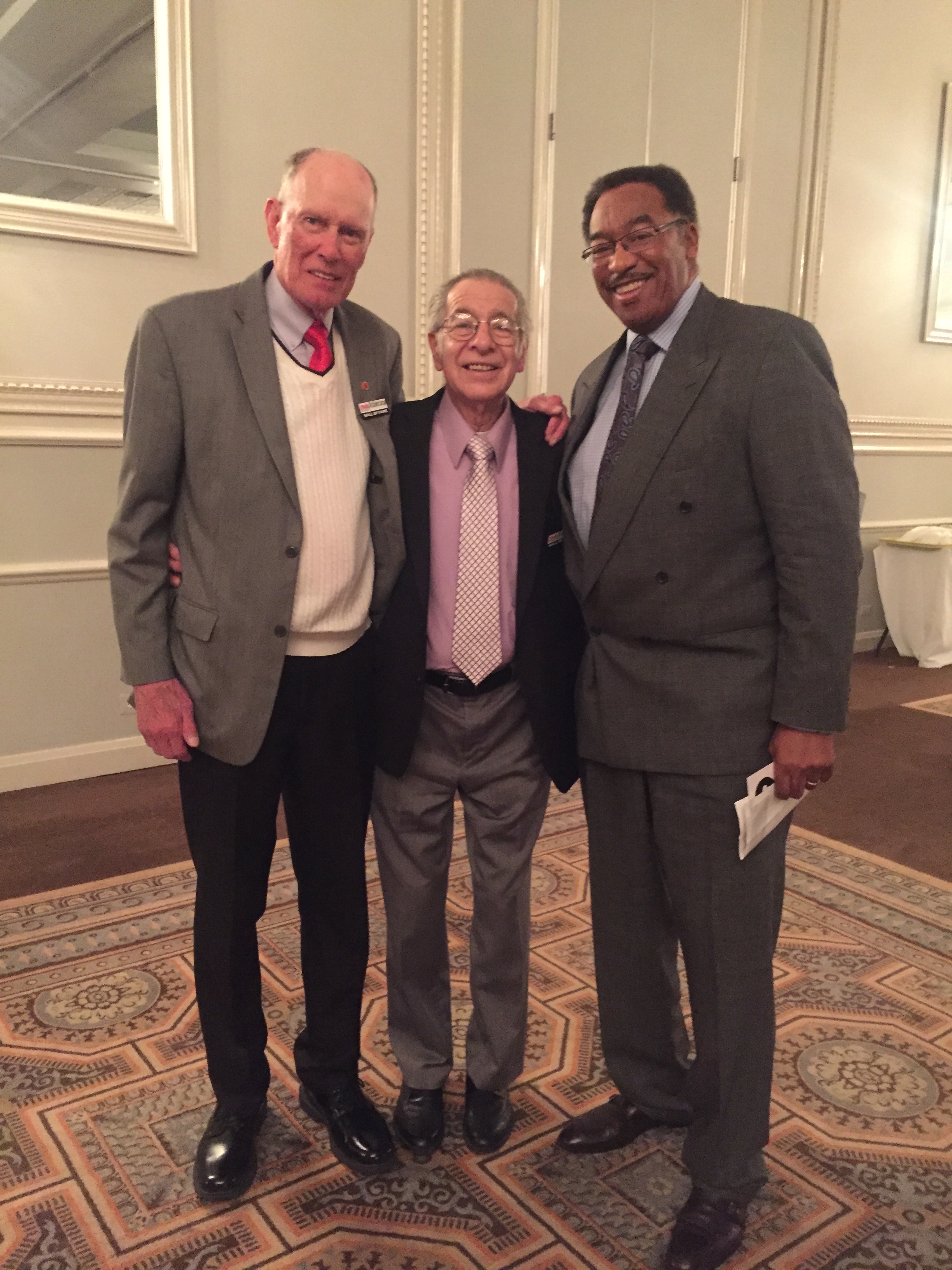
Pat Sullivan, Tony Delgado, and I have had many discussions about the merits of team sports and the impact they make on player development. Conditioning, work ethic, competition, mutual respect, and collaboration contribute to the development of young athletes.
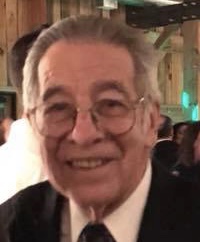
Coach, teammate, and longtime friend Tony Delgado is one of a kind. Tony has strong feelings about sports and racism, but his words are succinct and direct. He doesn’t use words like Black and white, but rather “light-skinned and dark skinned.” Most human beings are various shades, the only real difference.
Tony was an outstanding athlete at Lewis between 1962 and 1966, starting all four years in baseball and basketball. I hired him as an assistant coach at Roncalli High School in Aurora as soon as he graduated. The following year, he was hired as the assistant basketball coach at Loras College. After that, he became head basketball coach at IIT and then at Lewis University. Following Lewis, Tony became the assistant and then head baseball coach at the University of St. Francis.
I recently asked Tony about his background and the impact it had on his opinions and beliefs on racism, especially as related to sports. Although his early history was far different than mine, our views on sports and racism are similar. His own words reveal the impact that his early life has had on his later philosophy.
The following paragraphs come from my interview with Tony and a few notes that he sent to me.
In His Own Words
“I was born on June 13th,1943 just east of 45th and Ashland Ave. in the inner city of Chicago. I was the fifth of what would become eleven children born to Frank and Margaret Delgado. They are Frankie, Corrine, Ernie, Margie, Tony, Virgie, Maryellen, Richard, Robert, Rita (crib death), Rita.
My father was born near Monterrey, Mexico. My mother was born in Valentine, Texas, a small town halfway between the Davis mountains and the Rio Grande River. My father, his two brothers, and mother, one day walked across the Rio Grande River from Mexico and never looked back.
My first remembrance of a place of residence was at 1856 South Blue Island Ave., located in what is referred to as the Pilsen community. At that time Pilsen was almost a complete mixture of native-born Eastern Europeans (Polish, Lithuanians, Bohemians, etc.), or recent immigrants of Eastern Europe.
I was so very, very fortunate to go to Harrison High School. At that time, it was approximately 40 percent dark skinned students and 60 percent light skinned. The basketball team was 70 percent dark skinned. Up to that time I had little to no interaction with dark skinned folks. By the end of my senior year, I had interacted and socialized with many of my dark-skinned classmates. For a short period of time, I dated a wonderful dark-skinned girl. My experiences at Harrison changed my thinking and my life.”
Tony Paints a Scenario with a Theme
“A boy and a girl grow up in an all light-skinned neighborhood. Growing up they hear racist comments, usually by adults, but because they have little or no contact with dark skinned folks the comments may or may not make them racists. The boy and girl and the rest of the world will learn about the ugliness and sinfulness of America’s racism and Jim Crow through the medium of T.V.
The light skinned boy and girl may decide to play basketball, football, baseball, softball, but they are not exposed to the dark-skinned youth playing the same sports ’across the tracks.’
A few years later that boy and girl attend a high school that has an enrollment of mixed light skinned and dark-skinned students. They can keep their social distancing but the problem they have is that they want to play on the school’s basketball, baseball, and softball teams.
In making their high school’s teams, the boy and girl may find that the basketball teams are comprised of more than 50% of dark-skinned players, and there may be a few on the baseball and softball teams. They don’t have to socialize with them, but to be a cohesive team, they must work closely with them. Soon they will discover that most of what they had heard about dark skinned people is not true.
Having to work closely on athletic teams may lead to socializing with teammates with a different skin color at parties, dances, etc. After socializing a few may take the next step, dating. Fewer still may take the final step of marriage.
THIS IS THE BEAUTY OF SPORTS! DARK SKINNED AND LIGHT SKINNED ATHLETES WORKING TOGETHER, SOCIALIZING TOGETHER, DATING, AND MAYBE GETTING MARRIED.
THROUGH SPORTS, THE INTEGRATION OF DARK SKINNED AND LIGHT SKINNED ATHLETES IS TRULY HELPING TO MAKE AMERICA A BETTER PLACE TO LIVE. WHEN I THINK ABOUT THIS, I AM A VERY HAPPY EX-ATHLETE AND COACH.”
Final Note
Special thanks to friends Pat Sullivan and Tony Delgado for your views on sports and racism. Your respective perspectives come from vastly different origins, but both resonate with me.


 Braidwood Beginnings