“Do not hire a man who does your work for money, but him who does it for love of it.”
Henry David Thoreau
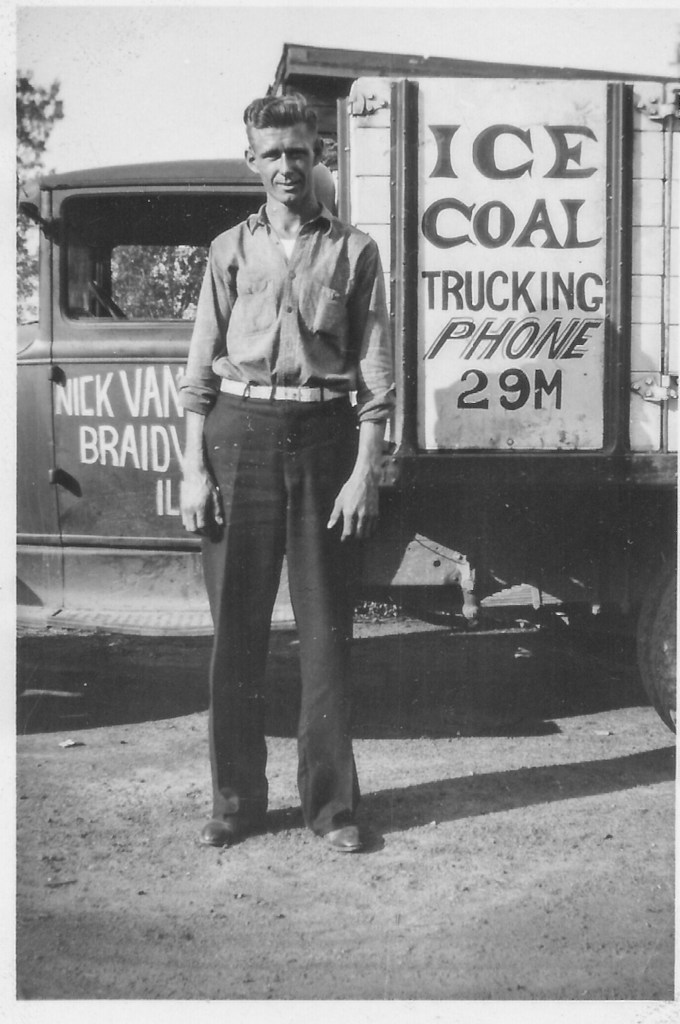
Dear Grandkids:
Several of you are in the midst of making decisions about your work future. The process of seeking employment after graduations and after your initial jobs can seem overwhelming especially while the economy is in flux.
I am sharing a few notes and ideas that have helped me to navigate through the employment maze. Beside family life, much of my blog writing has centered on my transition into jobs that I had never anticipated.
You think that you might be confused and stressed out? Please don’t be. Go with the flow and enjoy daydreaming because it will all work out in the end.
I hope that you will not be overly concerned that a lifetime plan must be done immediately. That would be a mistake. Job changes depend largely on changes within you, and opportunities that will come your way. You will see them when they surface.
Job Satisfaction
Job satisfaction largely depends on your purpose in life, and your purpose in life may take a long, long time to figure out. If an employer’s mission, ethics, and values are consistent with your mission (mission congruence), you have the foundation for a mutually beneficial situation.
Some job considerations:
- Will you be challenged?
- Will your talents be utilized?
- Will you be compensated ($$$) fairly and sufficiently?
- Can you be creative?
- Will you part of a team?
- Enjoy the people at work?
- Will you be learning?
In the meantime, don’t be concerned that job decisions and changes will necessarily set the tone for your future ambitions. A major part of finding a job that you really like is experiencing jobs that you don’t like. What seems appealing may not be real once you get into that job. Likewise, a job that you just try may be a great fit for you.
Consider Your Grandfather’s Goofy Job Journey
Your grandfather’s life might serve as an (bad?) example of both the planned and unplanned career and job changes. Changes were seldom in a straight line, more like zig zag through life. There were also times when a step forward first required a step backward.
In 1954 when I was almost 14 years old, I became a freshman at Joliet Catholic High School. I planned on transferring after my sophomore year to the Braidwood High School.
That change didn’t happen but during my last two years I was on the Catholic High baseball team, yearbook staff, student newspaper, and in the band. Upon entering high school, I had had no plans to participate in any of these activities or be enrolled in the pre-college curriculum track. My original desire was to take shop courses, like woodshop and machine shop courses.
During a class in my senior year, a teacher asked me about plans after high school. I said, “College.” In the presence of my classmates, he assured me that I would never make it in college. That sounded like a challenge.
In 1958 at the age of 17, I received a small baseball scholarship at Lewis College and intended to major in Business. By the time I graduated in 1962 at the age of 21, I had played baseball and basketball for all four years, was drafted by an NBA team, majored in English, and was engaged to be married. None of this could have been planned four years ago.
In 1962 just before college graduation at age 21, I signed a contract to teach and coach at Roncalli High School in Aurora, Illinois but during the summer I was also invited to work out with the Chicago Zephyrs NBA team. Roncalli anticipated that I would not make the team (they were correct), so the principal kept my teaching/coaching position open.
I stayed at Roncalli for four years and then accepted a similar position for one year at Providence High School in New Lenox. While I was at Providence, I assisted the Lewis College baseball team.
In 1967 at the age of 26, I was offered and accepted coaching and athletic administrative positions at Lewis. I continued in this capacity for the next 5 years and was the part time head coach (one year) of the JJC basketball team while at Lewis.
In 1972 at the age of 31, I was invited to become Dean of Students at Lewis and then, at age 35, I became the vice president for student affairs for two years. Upper administration on the college level had never been my aspiration at any other time in my life.
In 1978 at the age of 37, I left Lewis for administrative positions (plus some coaching) at the College of St. Francis in Joliet. After 8 years at St. Francis, I decided to leave the College and seek another job.
At the age of 45, I accepted a position at Regis College in Denver, Colorado where I had various leadership positions for the next 27 years until I retired in 2013.
Why these job changes?
There was literally no “long range planning” but rather an examination of trends and identifying my strengths, weaknesses. Various opportunities popped up not of my own volition. But mostly I was proactive not just reactive, and gradually my vocation became my avocation. My purpose in life was consistent with my work.
During much of the time, I was learning more about the needs of my family and what appealed to me. What were my skills and how might they be incorporated as an employee?
I also invested time in outside of work activities and projects that might contribute to the welfare of others.
So, Kids…
The most important times of your lives are:
- The day you were born, and
- When you start to understand “why”.
You had no control over #1. Like me, you may be progressing to answer #2. Don’t be in a rush to figure it out but do enjoy the journey. It is all worthwhile.
Love you kids,
Grandpa K
"My object in living is to unite
My avocation and my vocation
As my two eyes make one sight.
Only where love and need are one,
And the work is play for mortal stakes,
Is deed ever really done
For heaven and the future's sakes"
(Robert Frost, Two Tramps in Mud Time)

 Braidwood Beginnings
So true! As I started my working life after high school, my work was an extension of my hobby. Automobiles were my fascination, I tended to favor the specialty of modifying the original factory look to a more personalized look for the owner. After a few years I felt it would be good to hire some help and start doing collision repair, as the income would be much better. But as time went on, I found that dealing with insurance companies and many different customers, my true talents and my passion were being were being
LikeLiked by 1 person
Lost with age and time. So again I had to make change! I stopped the money making collision work, and picked up where it started when I was young. Using that talent to be creative, being around people who are also creative and happy. The income dropped considerably, but I was paid ten times more in happiness, well worth it!
LikeLiked by 1 person