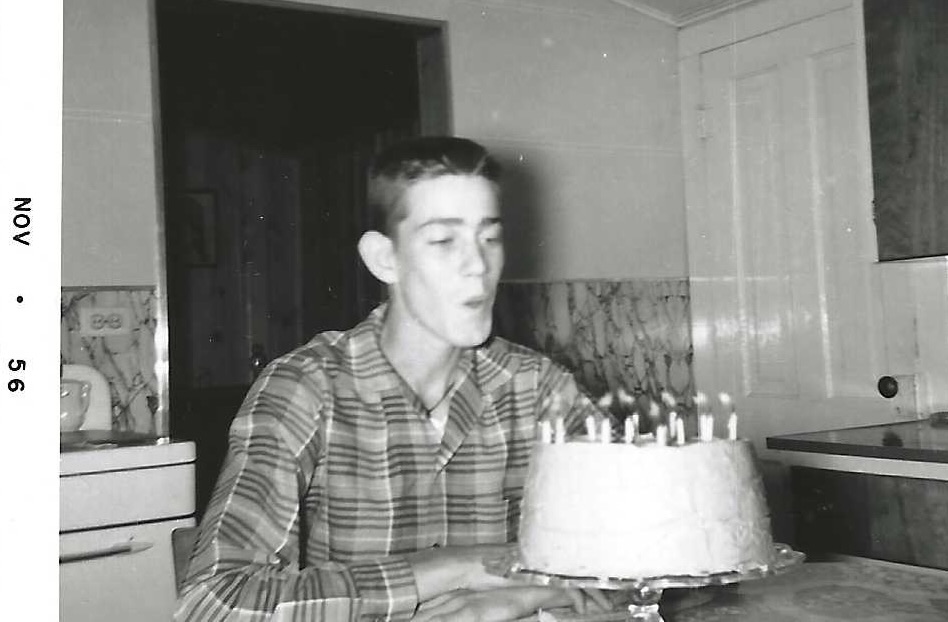
“The pressure is on. The high school dance is in 2 weeks, and I still don’t have a date. My Joliet buddy doesn’t have a car and I do; he has a date and I don’t yet. Maybe I’ll stop by the Comet Stop again after school and see if Bonnie is working and I’ll ask her. We have known one another since grade school at St. Rose and I consider her a friend, but I have never had a real date with a girl. It’s not like I really know any Braidwood girls that well, and they have their own boyfriends.” November 1956
Thinking Back
I never thought of it at the time but looking back after 8 decades, it was an uneasy phase for a 16-year-old boy. I knew my small town like the back of my hand, having traipsed over every street, lane, and alley. Knowing buildings and houses, trails to open water and the adjoining hills. But mostly, I knew my peers, male and female, as friends.
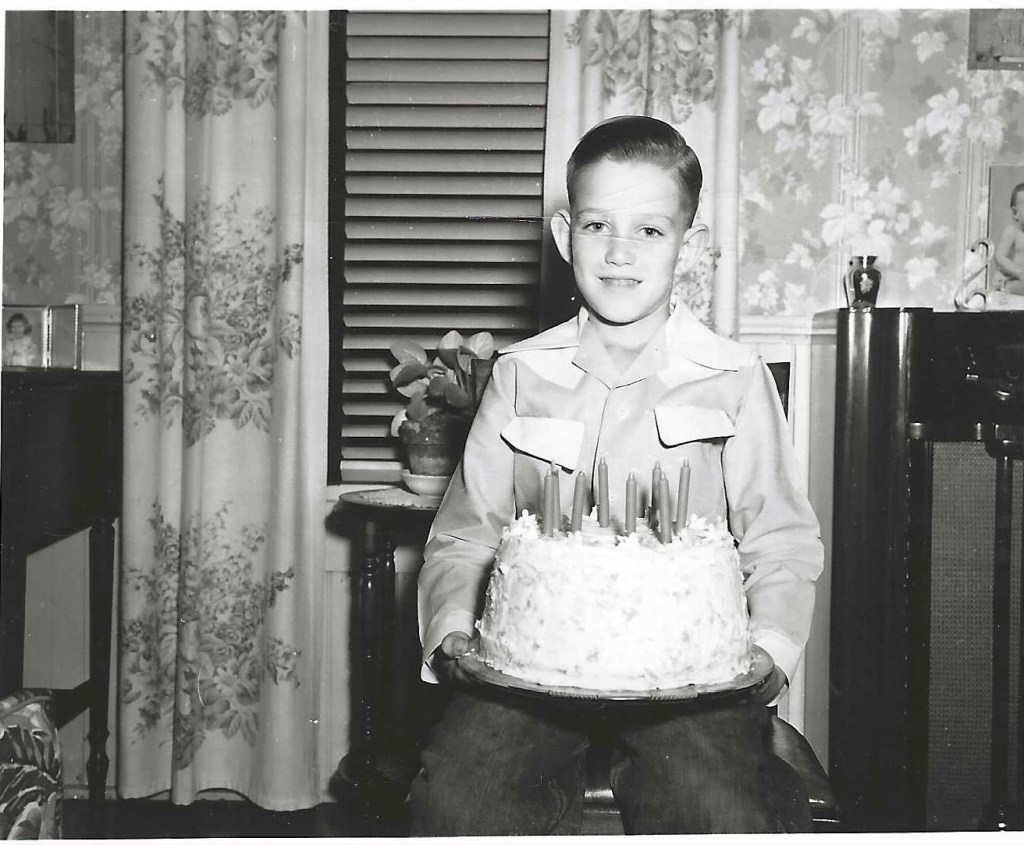
Only a half-life before, my life – through no choice of my own – extended into a neighboring town that had been the realm of my parents. Mom and Dad both considered Wilmington as their base although Elwood and Symerton had provided their birthplaces. St. Rose started a grade school at the time of my entry into 3rd grade and my sister as a 1st grader. My previous knowledge of Wilmington was based on Saturday night excursions along the downtown bustle and family visits with relatives. And movies at the Mar or Wilton theaters.
After graduating from St. Rose, a new phase began with daily travels to the big city, Joliet, where I was a student for the next 4 years at Joliet Catholic High School.
But it was still Braidwood that I intuitively and emotionally identified with as a 16-year-old. Yet, there was a void in my young life and the question, “Where did I fit in socially?”
Shared Dilemma
Until my junior year, my affiliation with Catholic High was limited to attending classes and sharing bus rides with my fellow refugees who had similarly vacated their small schools. All endured the associated tensions of trying to fit in between two cultures: our local native community culture and a multi-cultural foreign larger city.
These two cultures did not necessarily conflict. They were just different and we tried to fit somewhere within them. In other words, “Who am I?” and “Where do I fit?” This, during an intense transition from childhood to adulthood.
Local Affinity
Throughout high school, my Braidwood peers ranked top priority. I attended nearly all the Reed-Custer basketball games and cheered from the bleachers as Barney Faletti or Davy French scored. The fan bus became part of my social outlet. After home games we might get together at Barnett’s or the Comet Stop. On occasions when Catholic High had no classes, I might be the visiting student at Reed-Custer classes with my friends.
Still, my membership with my Braidwood friends could not have been as social peers in the strict sense. I was as close as close could be, but unlike my friends I also had another culture arena that was slowly evolving. What didn’t change, despite nearly 70 years later, was that the core of my being never wavered from my hometown.
Post Script
The 16-year-old boy, who was hoping to ask her for a date, did in fact stop by the Comet Stop where Bonnie was working that evening. They chatted as he drank his cherry coke and he asked how her sisters were doing. More small talk and then another cherry coke. Finally, without asking the question, he said good bye and left.
If you can find your footing between two cultures, sometimes you can have the best of both worlds. Randy Pausch

 Braidwood Beginnings
Very nice, but Jackie and Jill weren’t twins. Maybe a year apart!
Sent from my iPhone
<
div dir=”ltr”>
<
blockquote type=”cite”>
LikeLike