“The thing the sixties did was to show us the possibilities and the responsibility that we all had. It wasn’t the answer. It just gave us a glimpse of the possibility.” John Lennon
Little did I know that, at age 21, my future path already had been prescribed. The 1960’s and 1970’s confirmed that prescription.
Growing up in Braidwood and then playing college basketball proved to be the underpinning for dealing with the 1960’s and 1970’s. Those first 21 years on planet earth had prepared me for dealing with racial situations and then for a professional career in higher education.
In some ways, my experience of living through the 1960’s was a blur. By the end of 1969, Dolores and I had a family of four boys and one girl, the first born in 1963 and the last in 1969. That’s right: five kids in six years. Neither one of us had time to go to movies or meaningfully delve deeply into the world’s challenges. We were just trying to survive.
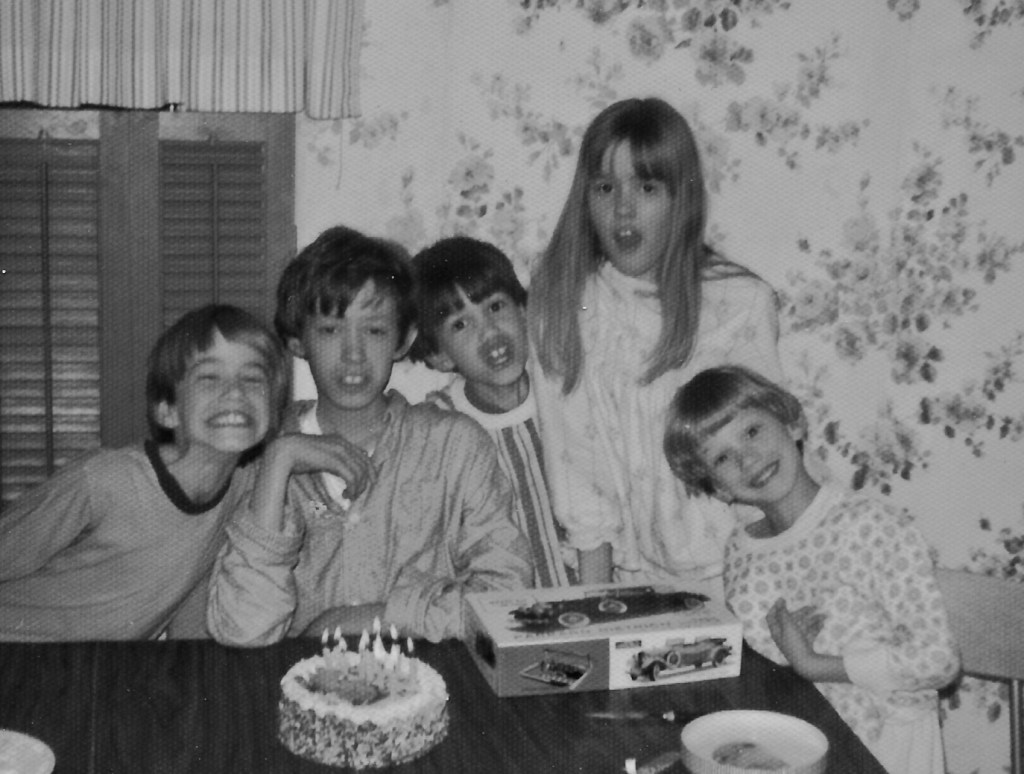
I had taught and coached in high school from 1962 through 1967. While teaching at Providence High School in the 1967-68 academic year, I also was asked to be an assistant baseball coach at Lewis College. From that time through the spring of 1978, I remained at Lewis, starting in the athletic department and then as a dean and vice president in student affairs.
My tenure at Lewis lasted eleven years and during that time the reality of changing times smacked all of us in the face. Drugs, Hippies, race riots, MLK and Bobby Kennedy killed, Viet Nam, Watergate, Vatican II, and Woodstock. Lewis was a microcosm of the outside world and experienced the same worldly issues. For me, it set the scene for the next decade with the realization that nothing would be the same at the University and in the country from that point on.
Looking back, it represented a “coming of age” for nearly all of us. Since I had, and still have, the intense desire to understand everything, I researched racism and became more knowledgeable about government and politics. How and why did we get involved in Viet Nam? What was behind the racial strife that produced such animosity among white and black students?
Although I had grown up in Braidwood, where the African-American and European-American families appeared to co-exist as friends and neighbors, I knew from an early age that it was undisputable that discrimination existed. No black members of the Recreation Club? A local truck stop refusing to serve “coloreds?” None of that made sense to me, but there it was.
At Lewis, many white students, especially those from Joliet and Chicago, either had never developed personal relationships with African-Americans and/or had cultivated a deep anger and hatred toward them. Although I initially was shocked by these deep-seated attitudes, I gradually learned more about the root causes behind those feelings.
The African-American students totally rejected being viewed and treated as second class citizens who were denied equal opportunities. As I mentioned in previous articles, I witnessed occasions when my black friends and roommate were treated quite differently than I was. This generation of black students had had enough.
My Braidwood background and college basketball experiences positioned me with a basic understanding of both populations. Some white students probably didn’t comprehend how I could empathize with black issues and may have expected me to automatically “take their white side.” Many black students may have seen me “being just another white guy.” This put me in the middle, and I did my best to keep listening and learning while being and acting as fair as possible. In fact, I was in this “no man’s land” during many conflicts.
I was coming of age and learning how to cope with the reality that the country was confronting a new era and gone was the Camelot that had spawned false hopes.
So, what was good about the 60’s and 70’s? It was a time of involuntary dialogue about basic problems: war, racial equality, drugs, politics, and governmental policies. We woke up to the fact that many of us judged people on the basis of skin color, age, socio-economic class, or nationality. In fact, we were strangers to one another.
My kids and grandkids ask, “What was it like during that time in history? How was it different than today?”
In many ways, it was similar. It was also an opportunity, as it is today, to learn, ask questions, seek solutions, and realize that we must put aside insignificant differences. You know, see one another as brothers and sisters all seeking a good life. Be civil and treat one another with respect and dignity. It’s not real complicated, is it?
I would never have been selected to be dean of students at Lewis in 1972 without my background in dealing with student diversity and my apparent sensitivity to racial issues. These sensitivities started while being a youngster in Braidwood and were intensified by college basketball. Had I been raised in any other small town without an African-American population, I doubt that my career and personal path could have been the same. I am fortunate.
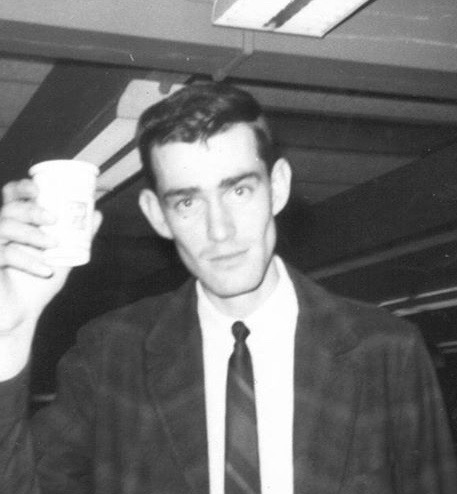
“Dialogue is a non-confrontational communication, where both partners are willing to learn from the other and therefore leads much farther into finding new grounds together.” Scilla ElworthyS

 Braidwood Beginnings
“Thumbs Up”
LikeLike
As always, thanks, Karen. There are so many people who care about these important issues but seem to be afraid of step up to the plate. The NBA player, Kyle Korver, has made a statement about the discrimination he he has witnessed and he is not keeping quiet about it. About time that we all do so.
LikeLike
Funny, growing up in Braidwood, I never really thought about who was black or who was white. I just remember that Sandra and Buddy were a whole lot of fun and I liked hanging with them. I went off to HS in Joliet and it was all very white and then it hit me. I knew that Mrs. Pin nick cleaned houses, but Mom and I cleaned rooms and “toilets” at Rossi Motel, so I figured we were pretty equal. I had no idea! And here we are 60 yrs later and people still live with the same prejudices. Our current leader isn’t helping!
LikeLike
Amen to that, sister. Sharon had a wonderful comment, too. We need more of us to take a stand, start the dialogue and let people know that it is fear mongering that drives people apart. What can we do to make things better? Don’t stand on the sidelines. That day is past.
LikeLike
Tom, again another great read which gave me pause to think about my own journey through the politics and values of the 60’s. My values formed by my dad who left a job because he couldn’t enforce the Jim Crow laws. Mom always an open door for the stranger…inviting the Greer students for dinner to let them know someone was a friend. Growing up in the South and living the Jim Crow laws. Being kicked out of restaurants because my friends weren’t the right color. Asked to leave the recreation club because again my guest was black even though she was a guest if the US government…and more. But what it put me in mind of is the fact that one person does make a difference. And lots of one persons make a great difference. So thanks for the message of hope.
LikeLike
I had no idea what you and your family went through, Sharon. Your comment is right on target with my experiences. It gives us an idea…an inkling…of what an African-American goes through on a daily basis. No wonder that their stress level stays high, always on guard. Until we know people different from us, through nationality, race, appearance, we will not make the progress that we need. Relationships with others is one of the keys in order for our society to advance. So much fear out there. Our present leaders are lighting fires to divide and sub-divide us. Thanks again for your timely comments, Sharon. Best to you and your family.
LikeLike
Really insightful. When I went to college, I encountered students from Chicago who had developed a deep anger and hatred toward black people in general. Really surprised me! — I also clearly remember going to two gatherings in South Dakota, one without Sioux friends and one with them. What a difference in how people reacted to me/us.
LikeLiked by 1 person
Thanks, Bob, for your comments. The dynamics of that time continues today in different ways.
LikeLike
I also should say that there were a lot of people who responded very favorably,from my point of view in both college and South Dakota. There were many more positives than negatives in both college and South Dakota. In South Dakota it was more discomfort and certainly not anger.
LikeLike